
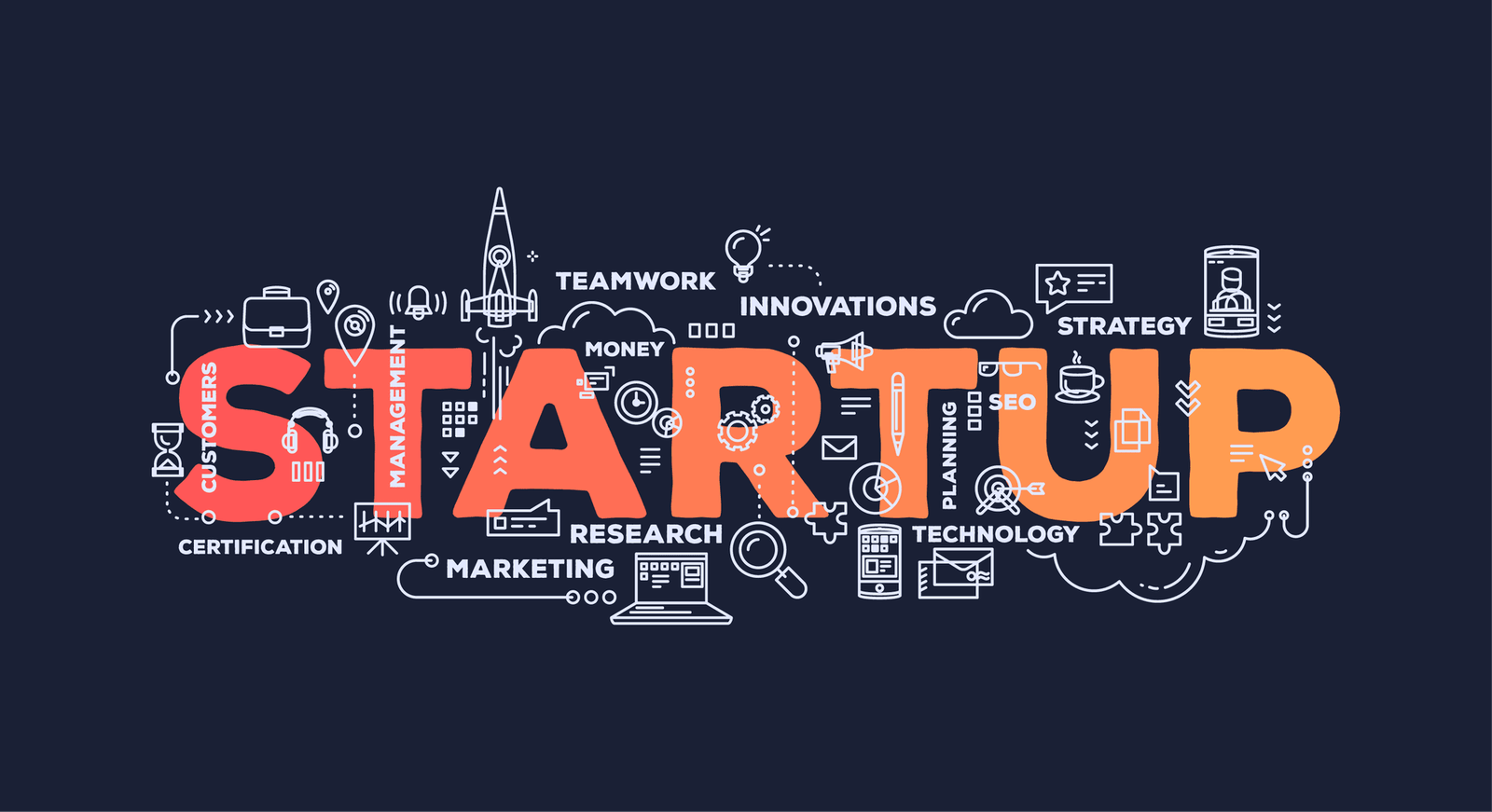
In today’s fast-moving digital world, startups are no longer just small experiments—they are powerful engines of innovation shaping industries, economies, and everyday life. From disruptive apps to AI-driven platforms, tech businesses are redefining how we live and work. But what does it really take to build a successful startup in the tech space?
Over the past decade, the barrier to entry for starting a tech business has dropped significantly. Cloud computing, open-source tools, and global connectivity have made it possible for small teams to build scalable products with limited resources. This has led to a surge in startups across industries such as fintech, healthtech, edtech, and artificial intelligence.
However, with opportunity comes competition. Thousands of startups launch every year, but only a fraction survive long-term. The difference often lies in execution, adaptability, and a clear vision.
Every successful startup begins with a problem worth solving. The most impactful tech businesses focus on real-world pain points—whether it's simplifying payments, improving healthcare access, or enhancing productivity.
A strong idea should be:
But remember, ideas alone are not enough. Execution is everything.
Behind every successful startup is a team that complements each other’s strengths. Technical expertise, business acumen, and creative thinking must come together to build, market, and scale a product.
Key roles in a tech startup often include:
A strong team culture—focused on collaboration, resilience, and continuous learning—is just as important as individual skills.
Technology is the backbone of any modern startup. Choosing the right tech stack can impact performance, scalability, and user experience. Startups today are leveraging:
The goal is not to use the latest technology for the sake of it, but to use the right technology to solve problems efficiently.
Funding is often a critical stage in a startup’s journey. Many startups begin with bootstrapping, then move on to angel investors or venture capital as they grow.
However, raising funds is not the ultimate goal—building a sustainable business is. Startups must focus on:
Growth should be strategic, not rushed. Scaling too quickly without a solid foundation can lead to failure.
Startups face numerous challenges, including:
Resilience and adaptability are key. Founders must be prepared to pivot, learn from failures, and continuously evolve their strategies.
The future of startups lies in innovation and impact. Emerging technologies like AI, blockchain, and quantum computing will continue to open new opportunities. At the same time, customers are demanding more ethical, sustainable, and user-centric solutions.
Startups that focus on long-term value, rather than short-term hype, will stand out in the crowded tech landscape.
Building a tech startup is not easy—it requires vision, persistence, and the ability to navigate uncertainty. But for those willing to take the risk, the rewards can be transformative.
In the end, the most successful startups are not just businesses—they are solutions that make a difference.

.png)