The Internet of Things (IoT) is one of the fastest-growing technologies in the digital world. It refers to a network of physical devices connected to the internet that can collect, exchange, and analyze data without requiring constant human interaction.
From smart homes and wearable fitness trackers to connected cars and smart cities, IoT technology is transforming how people live and how businesses operate. According to industry estimates, billions of devices worldwide are already connected through IoT, and that number continues to grow rapidly.
In this guide, we will explore what the Internet of Things is, how it works, its real-world applications, benefits, challenges, and the future of IoT.
The Internet of Things is a system of interconnected devices that communicate with each other through the internet. These devices are embedded with sensors, software, and connectivity that allow them to collect and exchange data.
Unlike traditional devices that require manual operation, IoT devices can automate tasks, monitor environments, and make intelligent decisions based on real-time data.
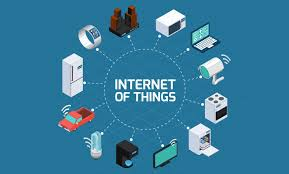
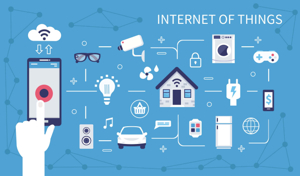
A smart home is one of the most common examples of IoT technology. Devices such as:
can all connect to the internet and be controlled through a smartphone or voice assistant.
For example, a smart thermostat can automatically adjust room temperature based on your daily routine, saving both energy and money.
IoT systems rely on several technologies working together to collect and process data.
IoT devices include sensors that collect data such as:
These sensors gather real-time information from the physical environment.
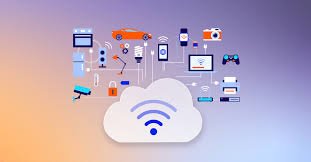
The collected data is transmitted through internet connectivity technologies such as:
This connectivity allows devices to communicate with cloud platforms and other devices.
Once the data reaches the cloud or an edge computing system, it is processed and analyzed. Advanced technologies like artificial intelligence (AI) and machine learning can analyze patterns and automate responses.
Users interact with IoT systems through:
This allows people to monitor and control their devices from anywhere.
The Internet of Things is being used across multiple industries, improving efficiency, automation, and productivity.
Smart home technology is one of the most popular IoT applications. Homeowners can control lighting, security systems, appliances, and climate remotely.
Common smart home devices include:
These devices make homes more convenient, secure, and energy efficient.
IoT has revolutionized healthcare through remote monitoring and wearable technology.
Examples include:
Doctors can receive real-time patient data, improving diagnosis and treatment.
Cities are using IoT to improve infrastructure and public services.
IoT solutions help with:
Public safety monitoring
These systems help create more sustainable and efficient urban environments.
IoT is transforming agriculture through smart farming technologies.
Farmers can use IoT sensors to monitor:
This helps increase crop yields while reducing water usage and operational costs.
In manufacturing and industry, IoT helps companies monitor machines and automate production processes.
Benefits include:
This is often referred to as Industrial IoT (IIoT).
The adoption of IoT provides several significant advantages.
Automation reduces manual work and improves operational efficiency in homes and businesses.
IoT systems provide real-time insights into devices, processes, and environments.
Smart systems can reduce energy consumption, maintenance costs, and operational expenses.
Access to accurate and real-time data allows organizations to make smarter strategic decisions.
Connected devices provide greater convenience and personalized experiences for users.
Despite its advantages, IoT technology also presents certain challenges.
IoT devices can become targets for cyberattacks if they are not properly secured.
Many IoT devices collect sensitive personal data, raising concerns about privacy protection.
Devices from different manufacturers may not always work seamlessly together.
The massive amount of data generated by IoT systems requires powerful infrastructure for storage and analysis.
The future of IoT is extremely promising. Emerging technologies such as 5G, artificial intelligence, and edge computing will make IoT systems faster, smarter, and more e
IoT will continue to play a crucial role in the global digital transformation.
The Internet of Things (IoT) is reshaping the way devices interact with the world. By connecting everyday objects to the internet, IoT enables automation, real-time monitoring, and data-driven decision-making.
From smart homes and healthcare to agriculture and industrial automation, IoT is creating smarter systems that improve efficiency and quality of life.
As technology continues to evolve, the Internet of Things will become an even more essential part of our connected future.