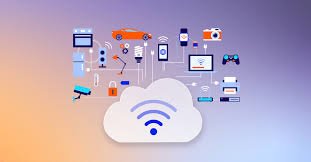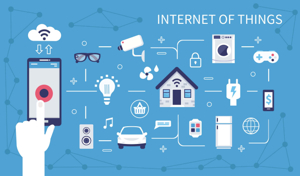
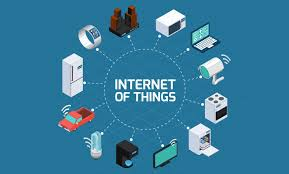
The Internet of Things (IoT) is transforming the way we live and interact with technology. It goes beyond computers and smartphones, connecting everyday objects to the internet and enabling them to collect, share, and act on data. From smart homes to smart cities, IoT is shaping a more connected and intelligent world.
The Internet of Things refers to a network of physical devices embedded with sensors, software, and connectivity that allow them to exchange data over the internet. These devices can range from household appliances to industrial machines.
IoT systems function through a combination of:
This seamless integration enables automation and smarter decision-making.
IoT offers numerous advantages across different areas:
IoT is widely used in various industries:
These applications are improving quality of life and business operations.
Despite its benefits, IoT comes with challenges:
Addressing these issues is crucial for widespread adoption.
The future of IoT is incredibly promising. With advancements in 5G, artificial intelligence, and edge computing, IoT devices will become faster, smarter, and more efficient. Smart cities, autonomous vehicles, and advanced healthcare systems will rely heavily on IoT technologies.
The Internet of Things is more than just a technological trend—it’s a fundamental shift in how we connect with the world around us. As IoT continues to evolve, it will unlock new possibilities and create a more connected, efficient, and intelligent future.