In an increasingly connected world, the Internet of Things (IoT) is revolutionizing how we interact with technology. From smart homes to intelligent cities, IoT is transforming everyday objects into powerful tools that communicate, collect data, and improve our lives.
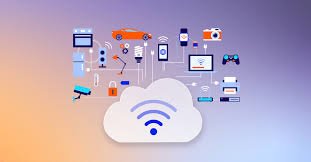
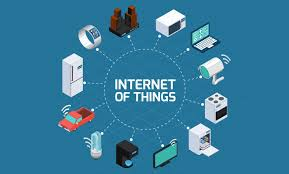
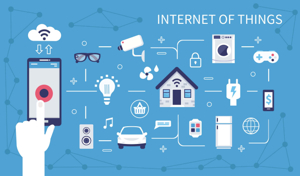
The Internet of Things (IoT) refers to a network of physical devices—such as appliances, vehicles, wearable gadgets, and sensors—that are connected to the internet. These devices collect and share data, enabling them to operate more efficiently and sometimes even autonomously.
IoT systems typically consist of four key components:
IoT devices can automate daily tasks, such as adjusting room temperature or turning off lights when not in use.
Businesses use IoT to optimize operations, reduce waste, and improve productivity.
IoT allows users to monitor systems and devices in real-time, which is especially useful in healthcare and manufacturing.
By improving efficiency and reducing manual intervention, IoT can significantly cut operational costs.
Data collected from IoT devices helps organizations make informed decisions.
IoT is used across many industries and aspects of daily life:
The future of IoT is promising, with advancements in artificial intelligence, 5G connectivity, and edge computing enhancing its potential. Smart cities, autonomous vehicles, and advanced healthcare systems are expected to become more common as IoT continues to evolve.
The Internet of Things is reshaping how we live and work by connecting everyday devices to the internet. Its ability to provide real-time insights, automation, and improved efficiency makes it a key driver of innovation in the digital age. As technology continues to advance, IoT will play an even greater role in creating a smarter and more connected world.