
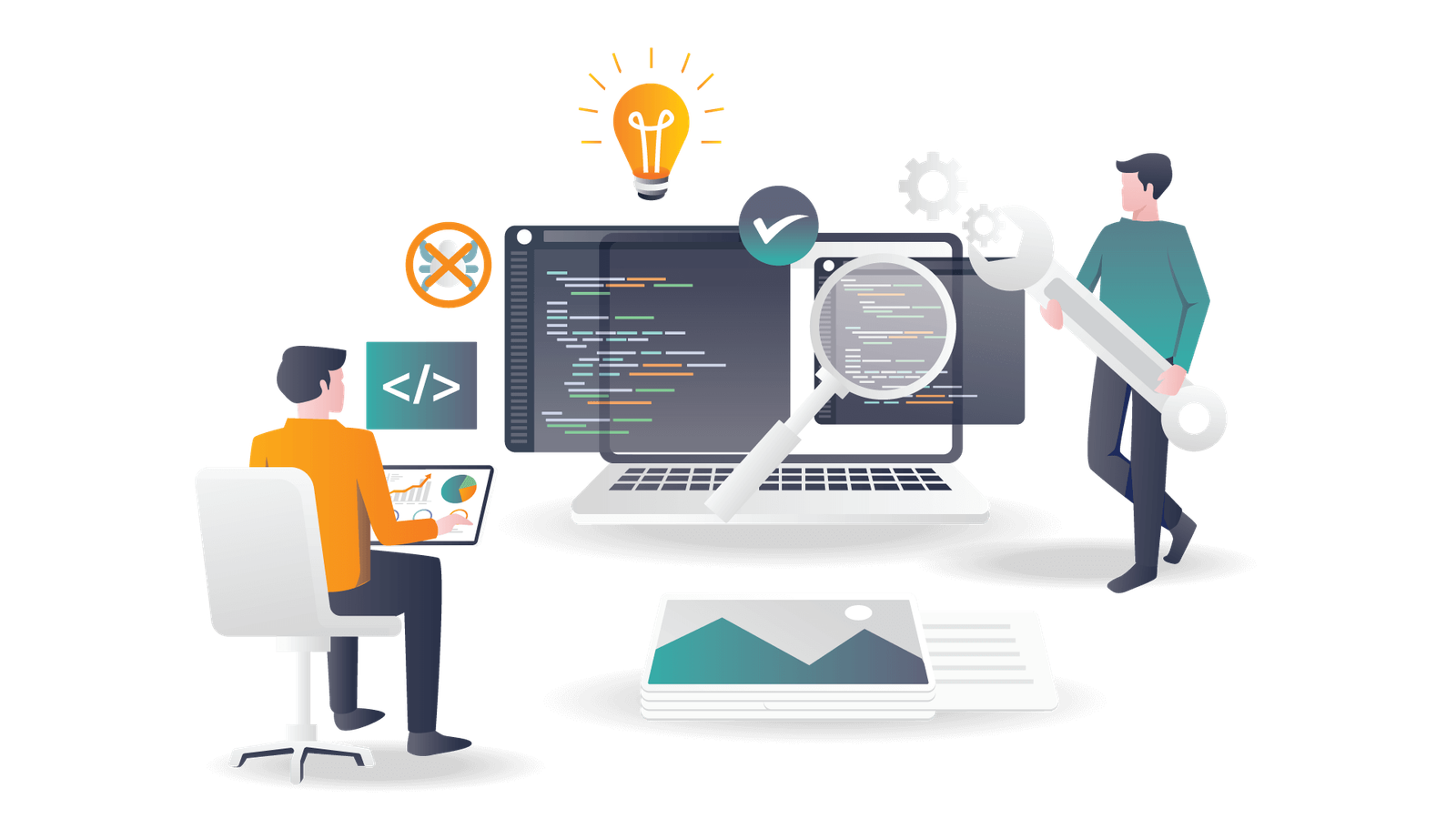
In today’s digital-first world, businesses need powerful technology solutions to remain competitive. From automating daily operations to delivering better customer experiences, software development has become the backbone of modern business growth.
Whether you run a startup, a small business, or a large enterprise, investing in custom software development services can help you streamline processes, reduce costs, and scale your operations efficiently.
This guide explains everything you need to know about software development and how it can transform your business.
Software development is the process of designing, building, testing, and maintaining software applications that solve specific problems or fulfill business needs. These applications can include:
Web applications
Mobile applications
Enterprise systems
SaaS platforms
Automation tools
Professional developers use modern technologies such as cloud computing, APIs, artificial intelligence, and scalable frameworks to create reliable and secure solutions.
Many businesses rely on generic tools that only partially solve their problems. Custom software, however, is built specifically for your organization.
1. Tailored to Your Business Needs
Custom software is designed around your workflows, ensuring better productivity and efficiency.
2. Improved Scalability
As your company grows, custom software can be upgraded and expanded without major disruptions.
3. Better Integration
Custom solutions can easily integrate with CRM systems, payment gateways, analytics tools, and third-party services.
4. Enhanced Security
Professionally developed software includes strong security protocols that protect sensitive data.
5. Long-Term Cost Efficiency
Although the initial investment may be higher, custom solutions often reduce operational costs over time.
This involves building fully customized software solutions based on business requirements. It is ideal for companies that need unique systems or automation tools.
Web applications run directly in a browser and allow businesses to offer online services to customers. Examples include dashboards, SaaS platforms, and customer portals.
Mobile applications help businesses connect with users through smartphones and tablets. These apps are usually developed for Android and iOS platforms.
Large organizations require complex systems such as:
Enterprise Resource Planning (ERP)
Customer Relationship Management (CRM)
Supply Chain Management Systems
Enterprise solutions help manage data, operations, and internal communication efficiently.
Cloud applications allow businesses to access software from anywhere while ensuring scalability and data security.
Software requires regular updates, security patches, and performance optimization to remain reliable.
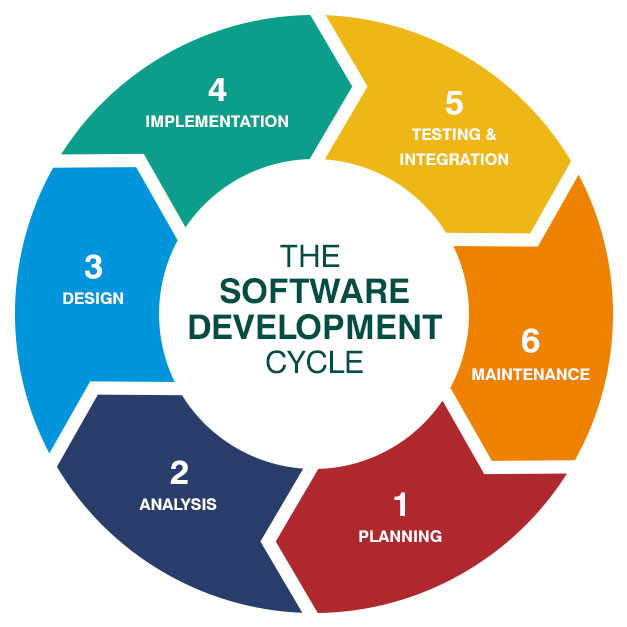
Professional development teams usually follow a structured approach to deliver high-quality software.
Understanding the business goals, user needs, and technical requirements.
Creating the system architecture, selecting technologies, and planning project timelines.
Designing user-friendly interfaces that ensure a smooth experience for customers and employees.
Writing code and building the core functionality of the application.
Testing ensures that the software works correctly, securely, and efficiently.
The application is launched and made available to users.
Continuous improvements help maintain performance and security.
Technology is evolving rapidly, and businesses are adopting new innovations to stay competitive.
AI-powered applications help automate tasks, analyze data, and improve decision-making.
Cloud-based systems provide flexibility, scalability, and cost efficiency.
These platforms allow faster application development with minimal coding.
Security is becoming a top priority for businesses handling sensitive data.
Connected devices are enabling smart automation across industries.
Software development is a powerful tool that enables businesses to innovate, grow, and adapt to changing market demands. From custom applications to enterprise platforms, the right software solution can dramatically improve productivity and customer satisfaction.
If your business wants to stay ahead in the digital age, partnering with an experienced software development company can help turn your ideas into scalable, high-performance digital products.
The future belongs to businesses that embrace technology—and custom software development is the key to unlocking that future.
.png)