In today’s technology-driven world, software development plays a crucial role in shaping how we live, work, and communicate. From mobile apps to complex enterprise systems, software is at the heart of modern innovation.
What is Software Development?
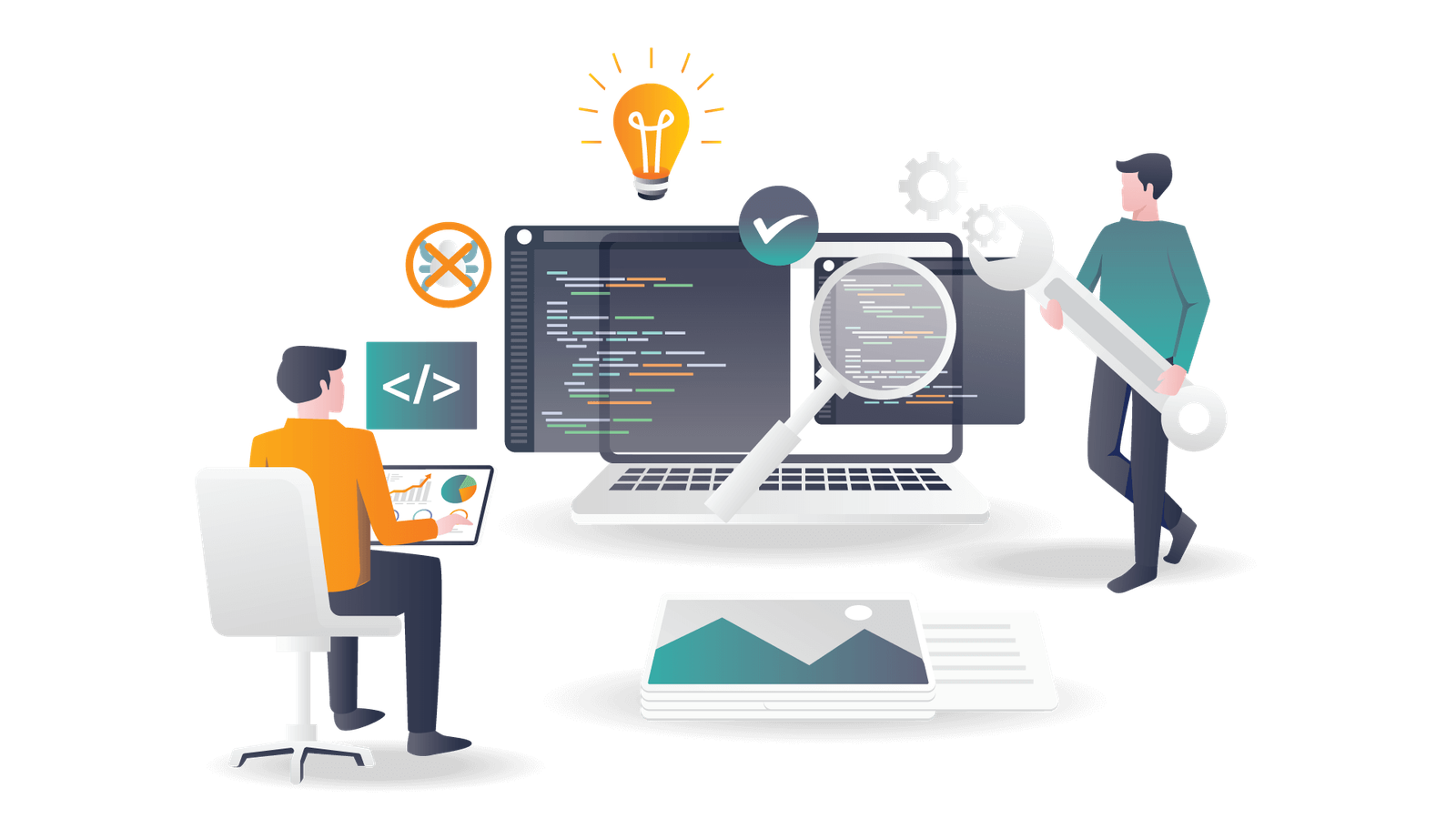
Software development is the process of designing, creating, testing, and maintaining applications, systems, and programs. It involves a combination of programming, problem-solving, and creativity to build solutions that meet user needs.
مراحل of Software Development (Software Development Life Cycle - SDLC)
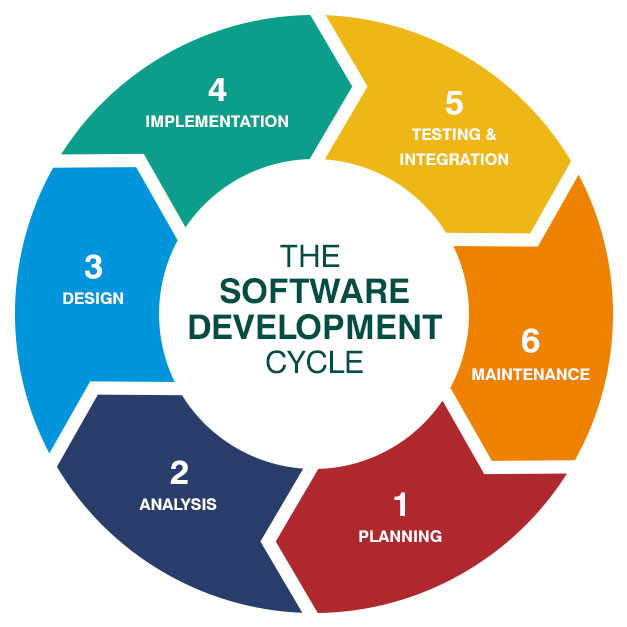
The Software Development Life Cycle (SDLC) consists of several key phases:
- Planning: Identifying the purpose, scope, and requirements of the software
- Design: Creating system architecture and user interface designs
- Development: Writing the actual code using programming languages
- Testing: Checking for bugs and ensuring quality
- Deployment: Releasing the software to users
- Maintenance: Updating and improving the software over time
Popular Software Development Methodologies
Different approaches are used to manage the development process:
- Waterfall Model: A linear and sequential approach
- Agile Methodology: Flexible and iterative development
- DevOps: Combines development and operations for faster delivery
Key Skills Required
Software developers need a variety of technical and soft skills:
- Programming languages (such as Python, Java, C++)
- Problem-solving and logical thinking
- Knowledge of databases and systems
- Communication and teamwork
Benefits of Software Development
1. Automation
Software helps automate tasks, saving time and effort.
2. Scalability
Applications can grow and handle increasing users and data.
3. Innovation
Enables the creation of new technologies and solutions.
4. Efficiency
Improves productivity in businesses and organizations.
Real-World Applications
Software development is used in many areas:
- Mobile Applications: Apps for smartphones and tablets
- Web Development: Websites and online platforms
- Game Development: Interactive gaming experiences
- Enterprise Software: Business management systems
- Artificial Intelligence: Smart systems and automation
Challenges in Software Development
- Changing Requirements: Client needs may evolve during the project
- Security Risks: Protecting software from cyber threats
- Time Constraints: Meeting deadlines can be difficult
- Bug Fixing: Identifying and resolving errors
The Future of Software Development
The future of software development is exciting, with trends like artificial intelligence, cloud computing, and automation shaping the industry. Low-code and no-code platforms are also making development more accessible to non-programmers.
Conclusion
Software development is the backbone of the digital world. It enables innovation, improves efficiency, and creates tools that make our lives easier. As technology continues to evolve, the demand for skilled software developers will only continue to grow.

.png)