
Software development has become one of the most influential fields in the modern world. From the apps on our phones to the systems that run global businesses, software is everywhere. But beyond the code and technical jargon lies a creative, problem-solving discipline that continues to shape how we live, work, and connect.
At its core, software development is the process of designing, building, testing, and maintaining applications or systems. Developers use programming languages such as Python, JavaScript, Java, and C++ to create solutions that address real-world problems. Whether it’s developing a simple website or a complex artificial intelligence system, the goal remains the same: to create reliable, efficient, and user-friendly software.
One of the most important aspects of software development is problem-solving. Developers are constantly faced with challenges—bugs in code, performance issues, or changing user requirements. This requires not only technical skills but also logical thinking and creativity. A good developer doesn’t just write code; they design solutions.
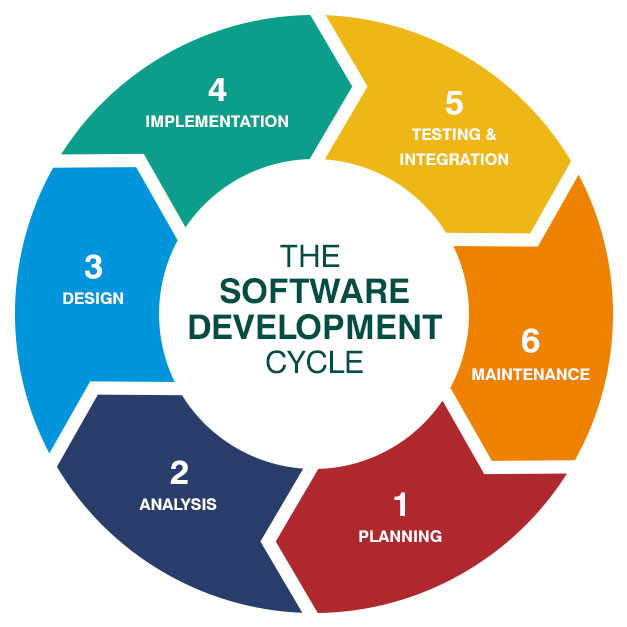
The development process typically follows structured methodologies like Agile or Waterfall. Agile, in particular, has gained popularity for its flexibility. It allows teams to work in smaller increments, adapt to changes quickly, and continuously improve the product. Collaboration plays a key role here, as developers often work closely with designers, testers, and stakeholders.
Another crucial factor is testing and maintenance. Writing code is only part of the job; ensuring that it works correctly and efficiently is equally important. Regular updates, bug fixes, and improvements help keep software relevant and secure in a constantly evolving digital landscape.
In recent years, new trends have reshaped software development. Technologies like cloud computing, artificial intelligence, blockchain, and DevOps practices have opened new possibilities. Developers today are not limited to traditional applications—they are building smart systems, automating processes, and even contributing to innovations like self-driving cars and virtual reality.
Despite its many opportunities, software development comes with challenges. Keeping up with rapidly changing technologies, managing deadlines, and ensuring cybersecurity are ongoing concerns. However, for those who enjoy learning and adapting, these challenges can be exciting rather than overwhelming.
In conclusion, software development is more than just coding—it’s about innovation, creativity, and continuous improvement. As technology continues to evolve, the role of developers will only become more significant. For anyone interested in shaping the future, software development offers a path full of possibilities and impact.

.png)