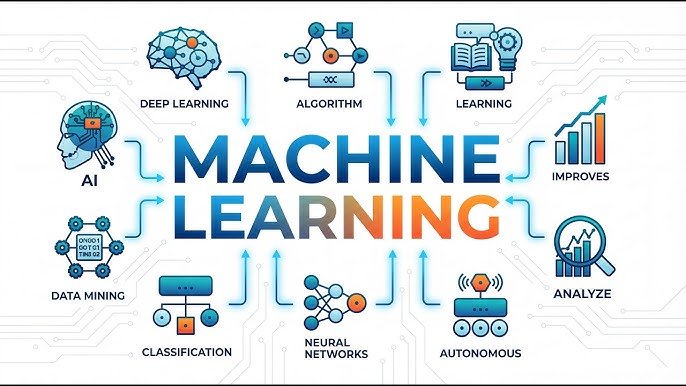
In today’s digital era, machine learning is no longer just a buzzword—it’s a driving force behind some of the most transformative technologies shaping our world. From personalized recommendations to autonomous systems, machine learning is redefining how we interact with technology and how businesses operate.
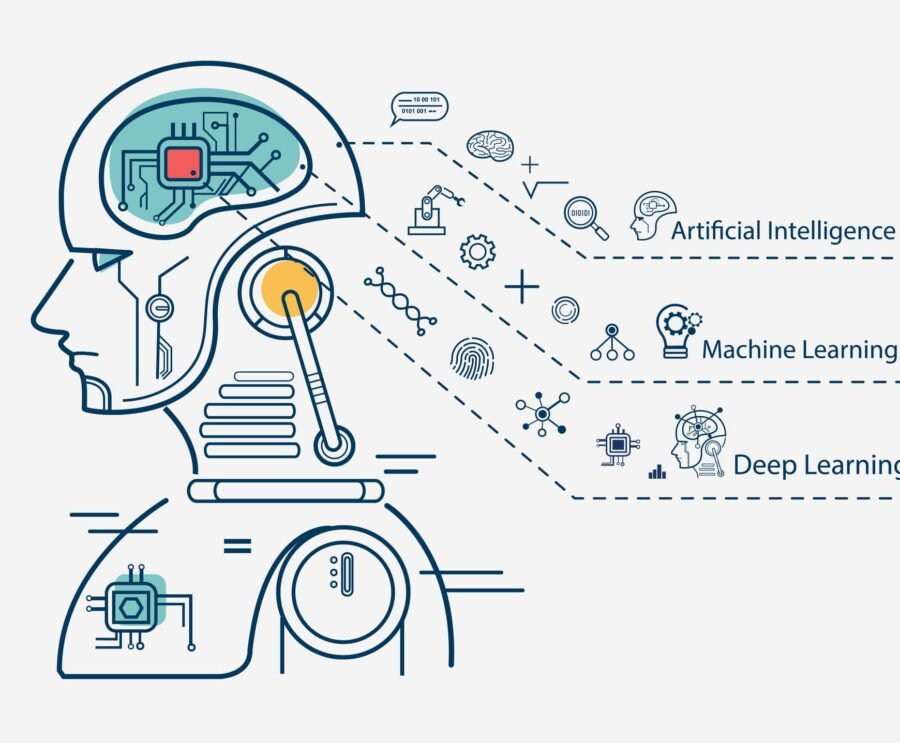
Machine learning is a branch of artificial intelligence that enables systems to learn from data and improve their performance without being explicitly programmed. Instead of following rigid instructions, machine learning models analyze patterns, make decisions, and adapt over time.
The importance of machine learning lies in its ability to handle massive amounts of data efficiently. In a world where data is growing exponentially, traditional methods fall short. Machine learning helps uncover hidden insights, predict outcomes, and automate complex processes.
Machine learning is already embedded in many aspects of our daily lives:
There are three primary types of machine learning:
Despite its potential, machine learning comes with challenges:
Addressing these challenges is essential to building reliable and ethical machine learning systems.
The future of machine learning is incredibly promising. As technology advances, we can expect smarter systems, improved automation, and deeper integration into everyday life. Innovations like explainable AI and edge computing will further expand its capabilities and accessibility.
Machine learning is not just transforming technology—it’s reshaping industries and redefining possibilities. As businesses and individuals continue to embrace this powerful tool, the opportunities for innovation are limitless.
.png)