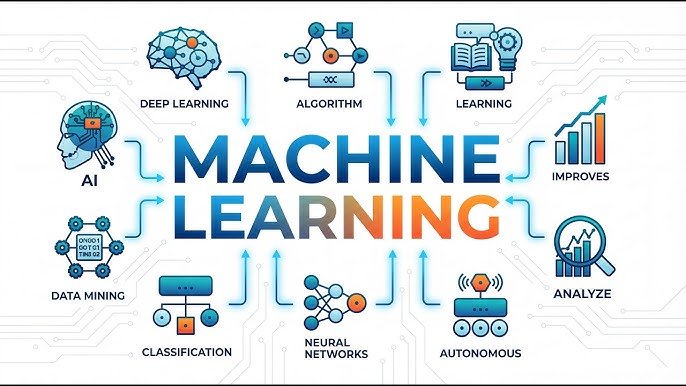
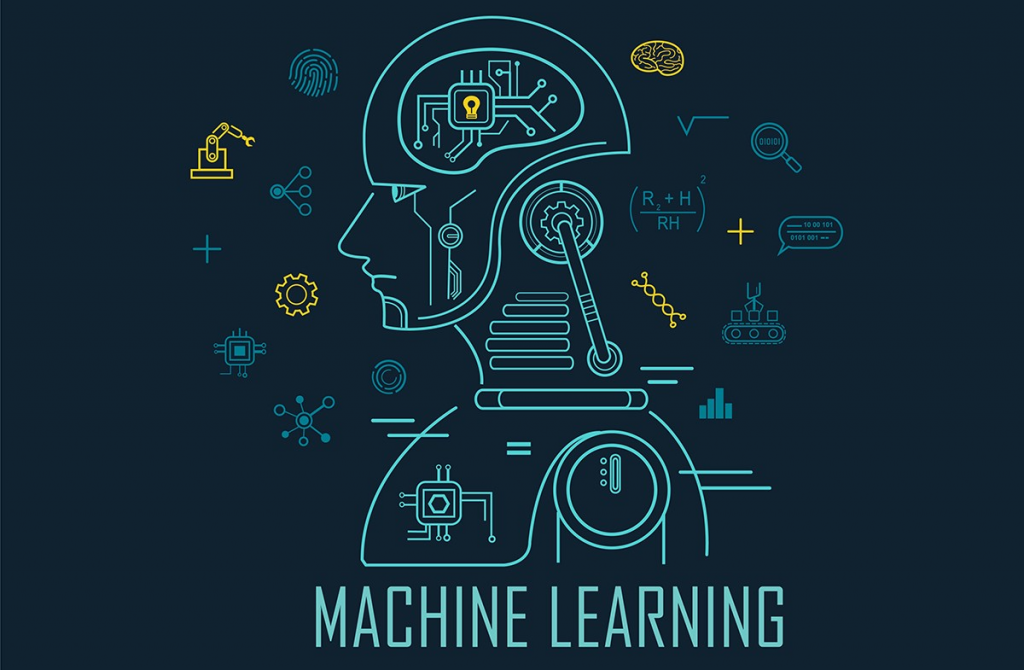
In today’s digital era, data is more valuable than ever—and machine learning (ML) is the engine turning that data into actionable insights. By 2026, machine learning has moved beyond experimental use cases to become a core technology powering businesses, healthcare, finance, and everyday applications.
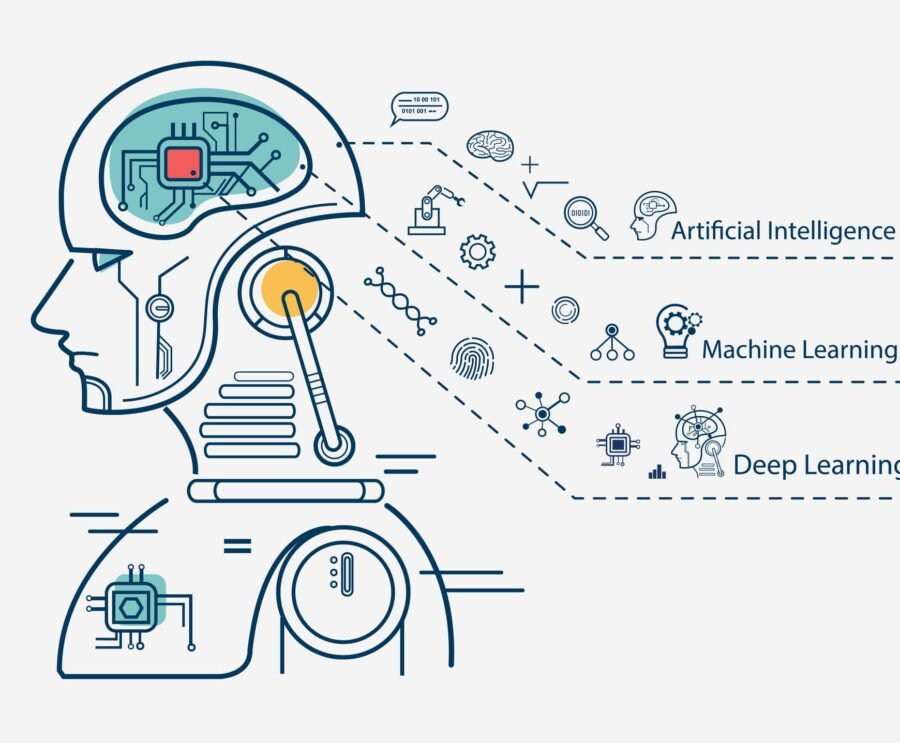
Machine learning is a subset of artificial intelligence that enables systems to learn from data and improve their performance without being explicitly programmed. Instead of following fixed rules, ML models identify patterns and make predictions based on data.
Key components include:
As organizations generate massive amounts of data, traditional analysis methods fall short. Machine learning helps by:
From personalized recommendations to fraud detection, ML is shaping how decisions are made across industries.
Machine learning is deeply embedded in modern technology:
1. Personalized Experiences
Streaming platforms, e-commerce sites, and apps use ML to recommend content and products tailored to individual users.
2. Healthcare Innovation
ML models assist in early disease detection, medical imaging analysis, and personalized treatment plans.
3. Financial Services
Banks and fintech companies use ML for fraud detection, credit scoring, and risk management.
4. Autonomous Systems
Self-driving cars and drones rely on ML to interpret data and make real-time decisions.
5. Business Intelligence
Companies use ML to forecast trends, optimize operations, and improve customer engagement.
Machine learning is no longer just a technological advantage—it’s a necessity in a data-driven world. As it continues to evolve, ML will empower organizations to make smarter decisions, improve efficiency, and unlock new opportunities.
In 2026 and beyond, those who harness the power of machine learning will lead the next wave of innovation.
.png)