
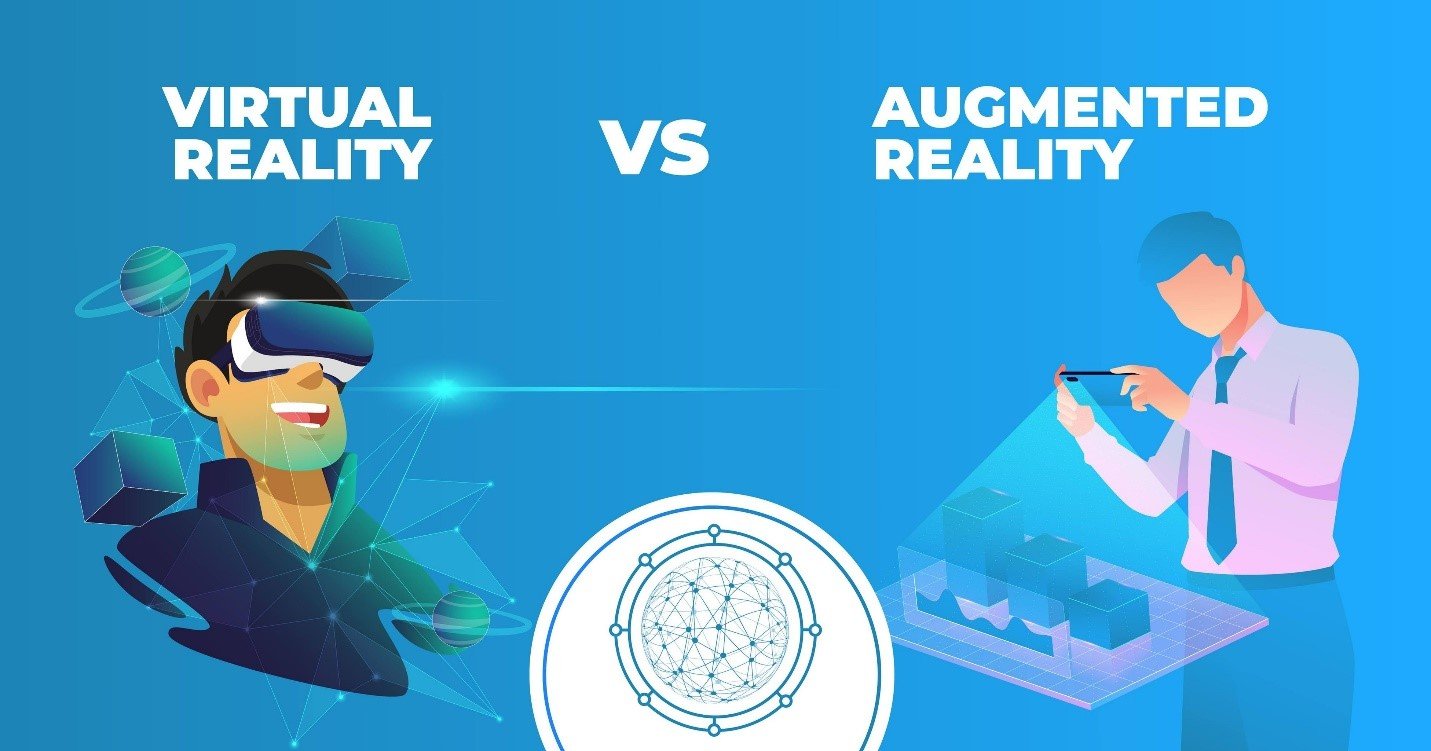
Digital technology is evolving faster than ever, and two of the most exciting innovations shaping the future are Augmented Reality (AR) and Virtual Reality (VR). These immersive technologies are changing the way people interact with digital content, creating experiences that blend the physical and virtual worlds.
From gaming and education to healthcare and online shopping, AR and VR are helping businesses deliver more engaging, interactive, and personalized experiences. As hardware becomes more advanced and accessible, these technologies are expected to play a major role in the future of digital interaction.
In this article, we will explore what AR and VR are, how they differ, their benefits, and how various industries are using them today.
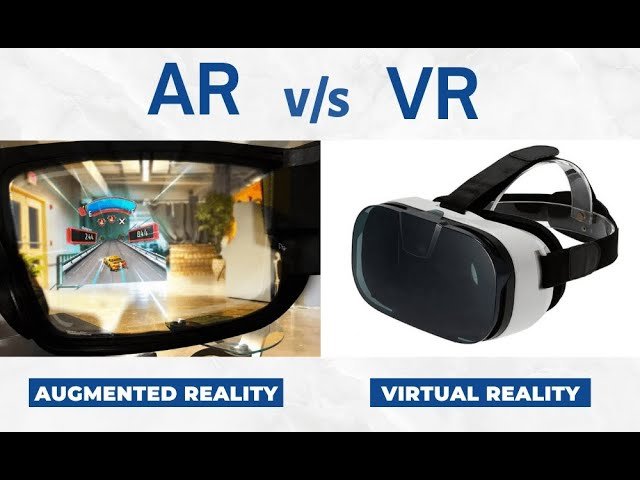
Augmented Reality (AR) is a technology that overlays digital elements—such as images, animations, sounds, or data—onto the real world. Instead of replacing the physical environment, AR enhances it by adding virtual objects that users can see and interact with in real time.
By combining the real and digital worlds, AR provides users with interactive and informative experiences that feel natural and engaging.
Some popular applications of AR include:
1. Social Media Filters
Many social media platforms use AR filters that add visual effects or animations to photos and videos.
2. Retail and E-commerce
Retail apps allow customers to visualize products like furniture, clothing, or accessories in their real environment before making a purchase.
3. Navigation and Maps
AR-powered navigation apps overlay directions onto the real-world view, making it easier for users to find their destination.
4. Education and Training
Students can use AR to explore interactive models, such as the human body, historical monuments, or scientific structures.
Virtual Reality (VR) is a technology that creates a fully immersive digital environment. Users wear specialized VR headsets that block out the physical world and place them inside a completely virtual space.
Unlike AR, VR replaces the real environment with a simulated one, allowing users to interact with a 3D digital world.
This immersive experience makes VR ideal for gaming, simulations, and training applications.
1. Gaming
VR gaming allows players to step inside a game environment and interact with objects and characters.
2. Professional Training
Industries such as aviation, healthcare, and the military use VR simulations to train professionals safely.
3. Virtual Tours
Real estate companies and travel agencies offer VR tours that allow users to explore properties or destinations remotely.
4. Therapy and Healthcare
VR is used in therapy to treat phobias, anxiety, and post-traumatic stress disorder (PTSD).
| Feature | Augmented Reality (AR) | Virtual Reality (VR) |
|---|---|---|
| Environment | Enhances the real world | Creates a completely virtual world |
| Devices | Smartphones, tablets, AR glasses | VR headsets |
| User Experience | Mix of real and digital content | Fully immersive digital experience |
| Applications | Retail, marketing, education | Gaming, simulations, training |
AR and VR create immersive experiences that capture users’ attention more effectively than traditional digital content.
Interactive simulations allow students and professionals to practice real-world scenarios in a safe environment.
AR allows customers to see how products will look or function before buying them, improving confidence in purchasing decisions.
VR simulations reduce the need for expensive physical training environments.
Companies are using AR and VR to provide unique and memorable customer experiences, helping them stand out in competitive markets.
Augmented Reality and Virtual Reality are transforming the digital landscape by creating immersive and interactive experiences. While AR enhances the real world with digital elements, VR creates entirely virtual environments that users can explore.
As these technologies continue to evolve, they will play a crucial role in industries such as gaming, healthcare, education, and e-commerce. Businesses that adopt AR and VR early can unlock new opportunities for innovation and customer engagement.
What is the difference between AR and VR?
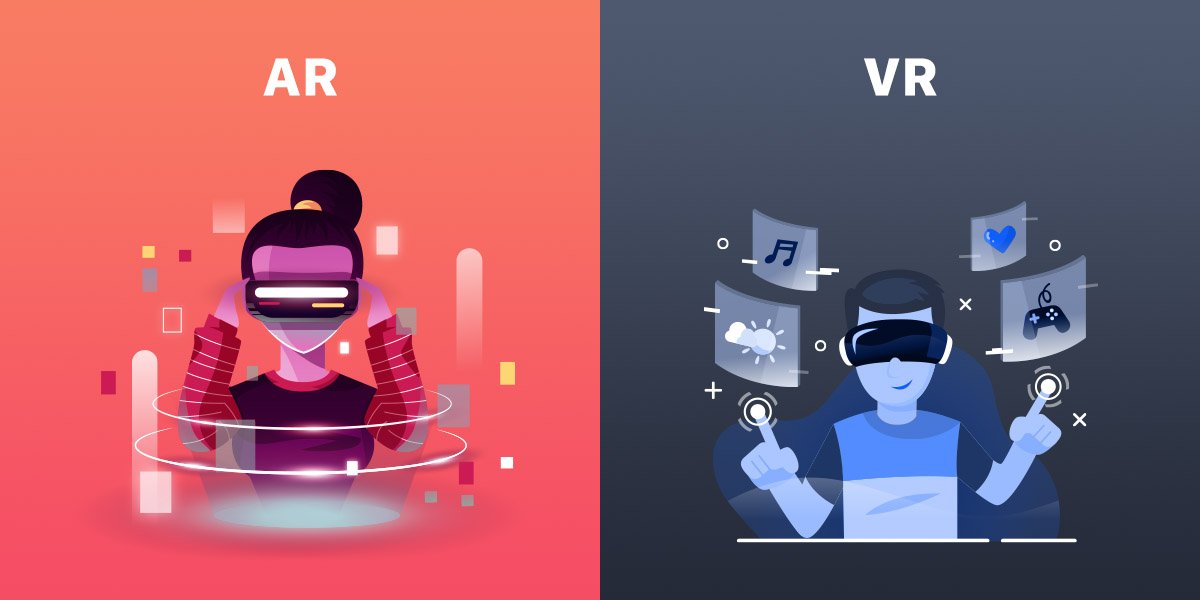
AR enhances the real world with digital elements, while VR creates a completely immersive virtual environment.
Where is Augmented Reality used?
AR is used in retail, education, healthcare, navigation apps, and social media filters.
What industries benefit from Virtual Reality?
Industries such as gaming, healthcare, aviation, education, and real estate benefit from VR technology.
Is AR or VR the future?
Both technologies have strong future potential and will likely work together to create advanced immersive experiences.
.png)
.png)