
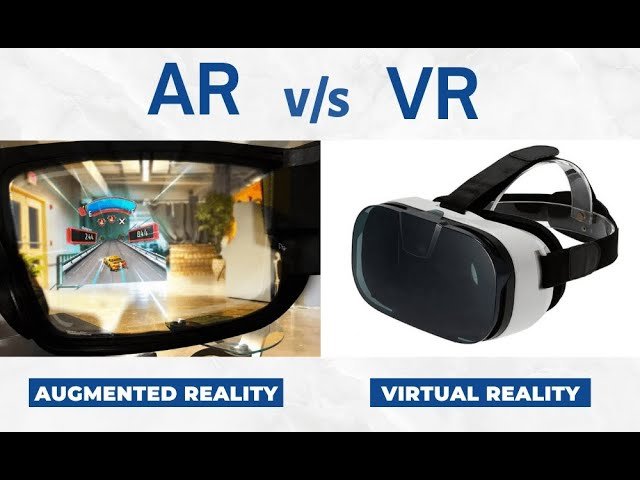
Technology is evolving faster than ever, and two of the most exciting innovations today are Augmented Reality (AR) and Virtual Reality (VR). These immersive technologies are changing how we experience digital content, but many people still confuse the two. Understanding the difference between AR and VR helps us see how each is shaping the future.
Augmented Reality (AR) enhances the real-world environment by adding digital elements such as images, sounds, or animations. Instead of taking you out of reality, AR adds layers of information to what you already see.
A simple example of AR is using your phone to see how a piece of furniture would look in your room or playing games where virtual characters appear in your surroundings.
Virtual Reality (VR) creates a completely immersive digital environment that replaces the real world. When you wear a VR headset, you are transported into a virtual space where everything you see and interact with is computer-generated.
VR is widely used in gaming, training simulations, and virtual tours.
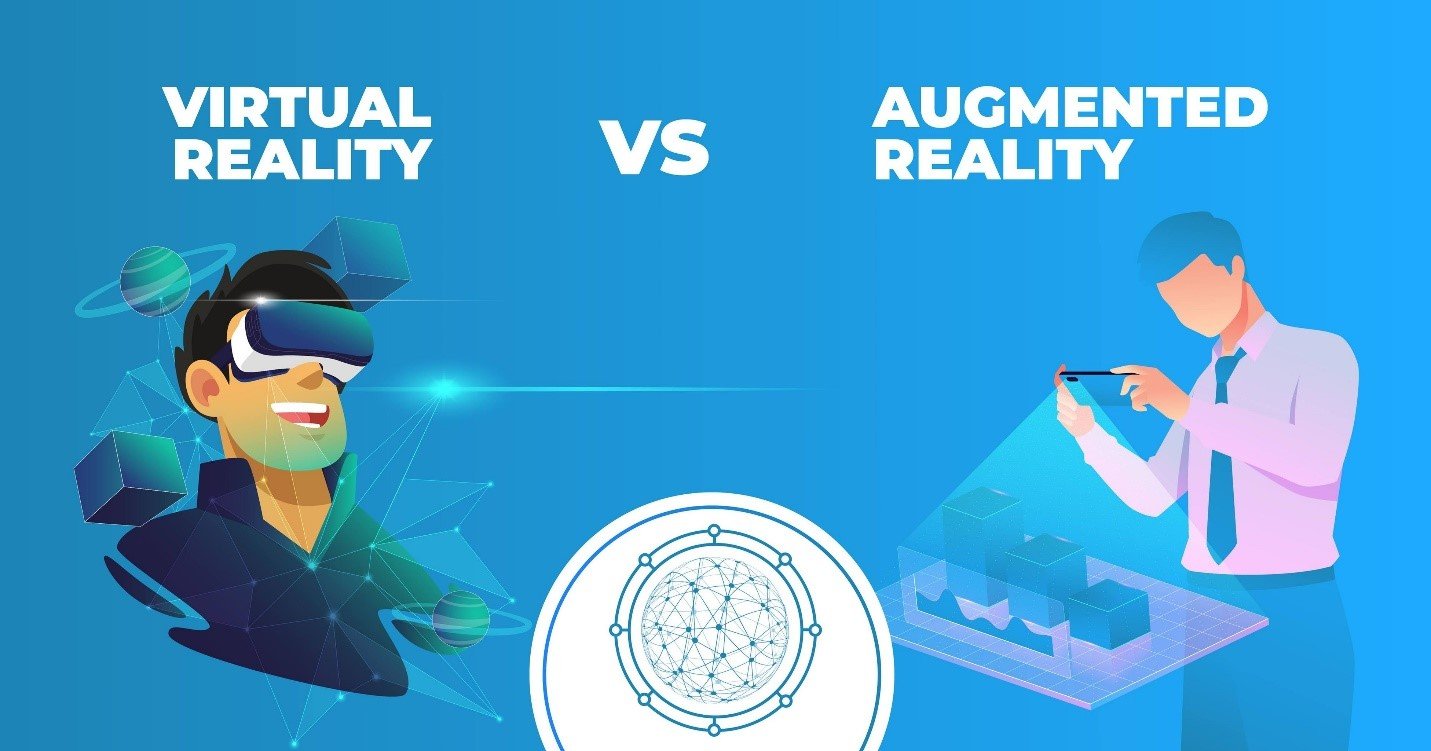
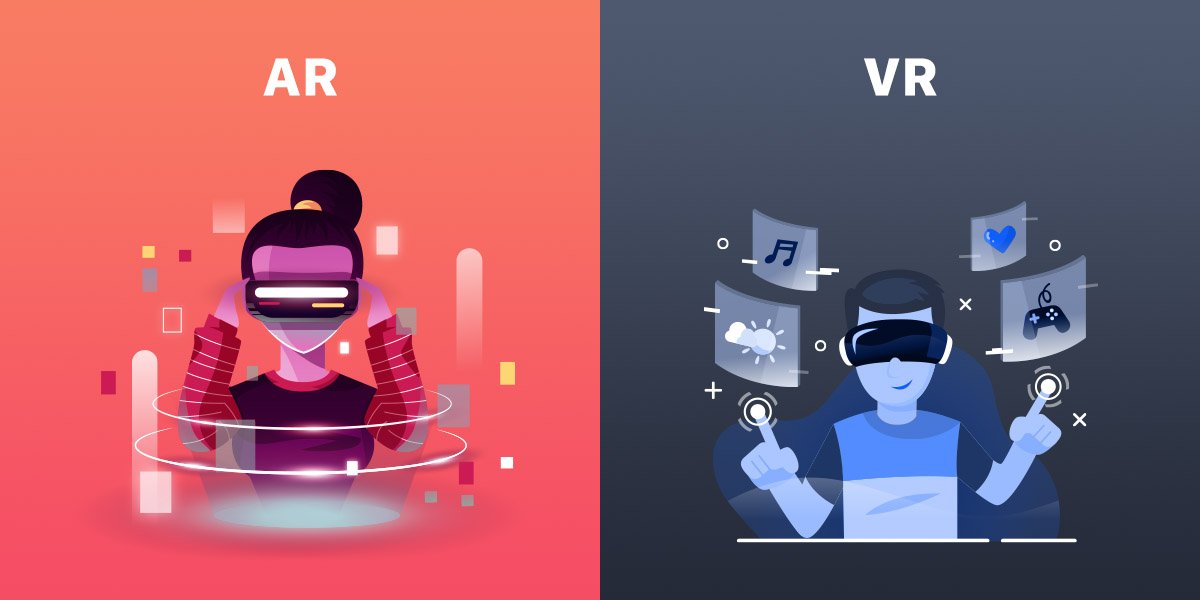
Although both technologies aim to enhance user experiences, they work in very different ways:
| Feature | Augmented Reality (AR) | Virtual Reality (VR) |
|---|---|---|
| Environment | Real world with digital overlay | Fully virtual environment |
| Immersion Level | Partial immersion | Complete immersion |
| Devices Used | Smartphones, AR glasses | VR headsets, controllers |
| Interaction | With real and virtual objects | Only virtual objects |
Both AR and VR are expected to grow significantly in the coming years. AR may become part of everyday life through smart glasses, while VR will continue to improve in realism and affordability.
Businesses, education systems, and entertainment industries are investing heavily in these technologies, making them an important part of our future.
Augmented Reality and Virtual Reality are powerful technologies with different purposes. AR enhances the real world, while VR creates a new one. Both are transforming how we interact with digital content and will continue to shape the future in exciting ways.
Understanding AR and VR today prepares us for the innovations of tomorrow.
.png)
.png)