
.png)
In today’s rapidly evolving tech landscape, Augmented Reality (AR) and Virtual Reality (VR) are two of the most exciting innovations transforming how we interact with digital content. While they are often mentioned together, AR and VR serve different purposes and create distinct experiences. Understanding their differences and potential can help us see how they are shaping the future.
What is Augmented Reality (AR)?
Augmented Reality enhances the real world by overlaying digital elements such as images, sounds, or data onto our physical surroundings. Instead of replacing reality, AR adds to it. A popular example is the mobile app Pokémon GO, which allows users to see virtual characters in real-world environments through their smartphones. AR is also widely used in navigation, retail (virtual try-ons), and education.
What is Virtual Reality (VR)?
Virtual Reality, on the other hand, creates a completely immersive digital environment that replaces the real world. Users typically wear headsets like the Oculus Quest 2 to enter a simulated space where they can interact with virtual objects and environments. VR is commonly used in gaming, training simulations, virtual tours, and even therapy.
Key Differences Between AR and VR
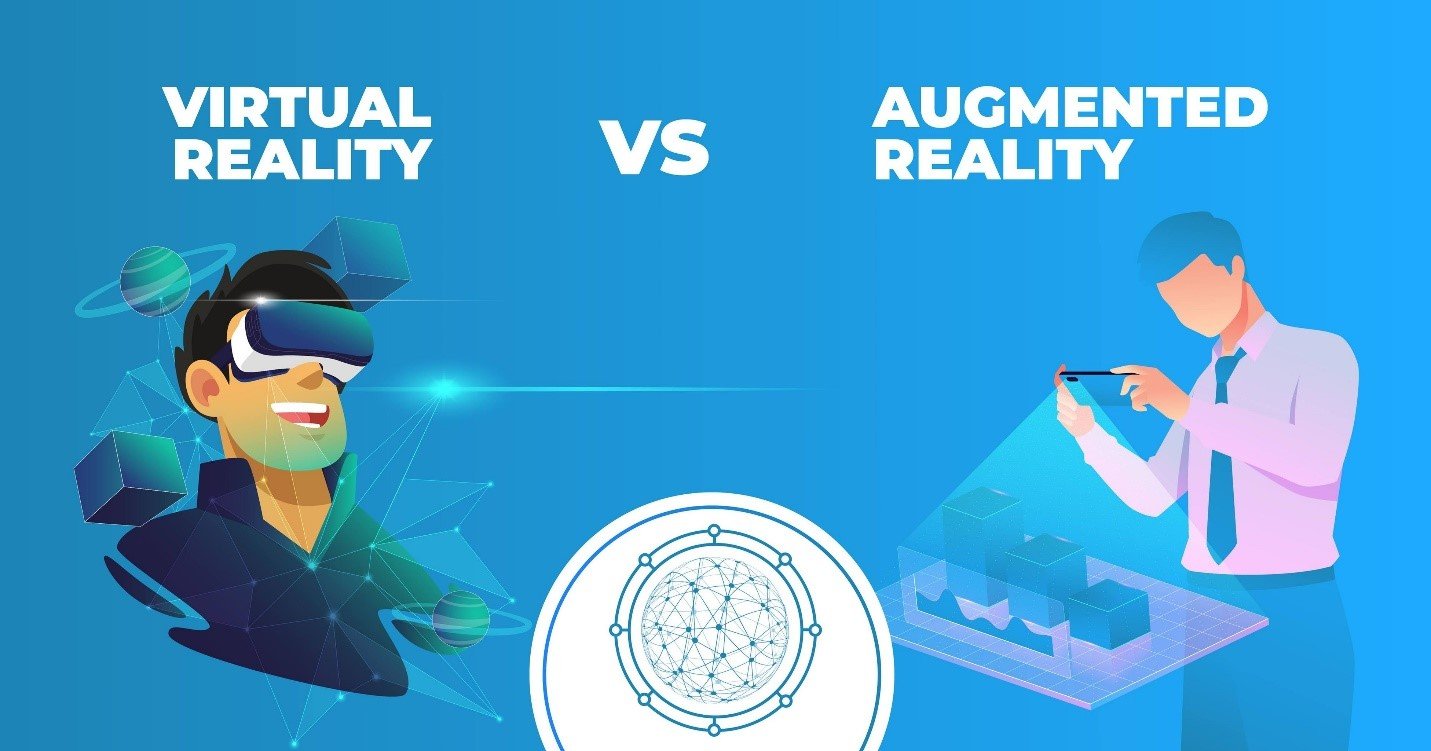
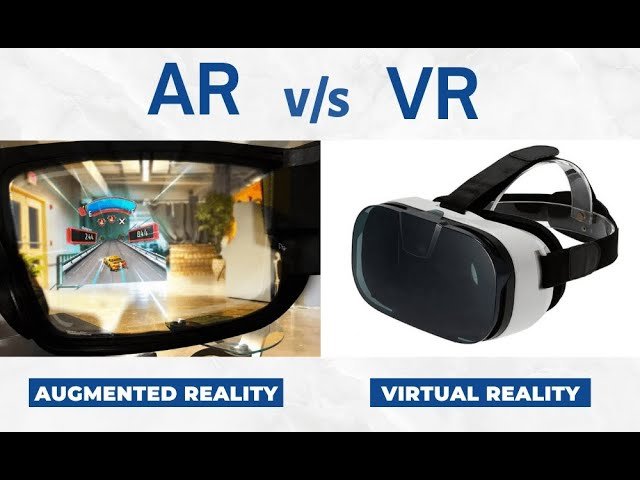
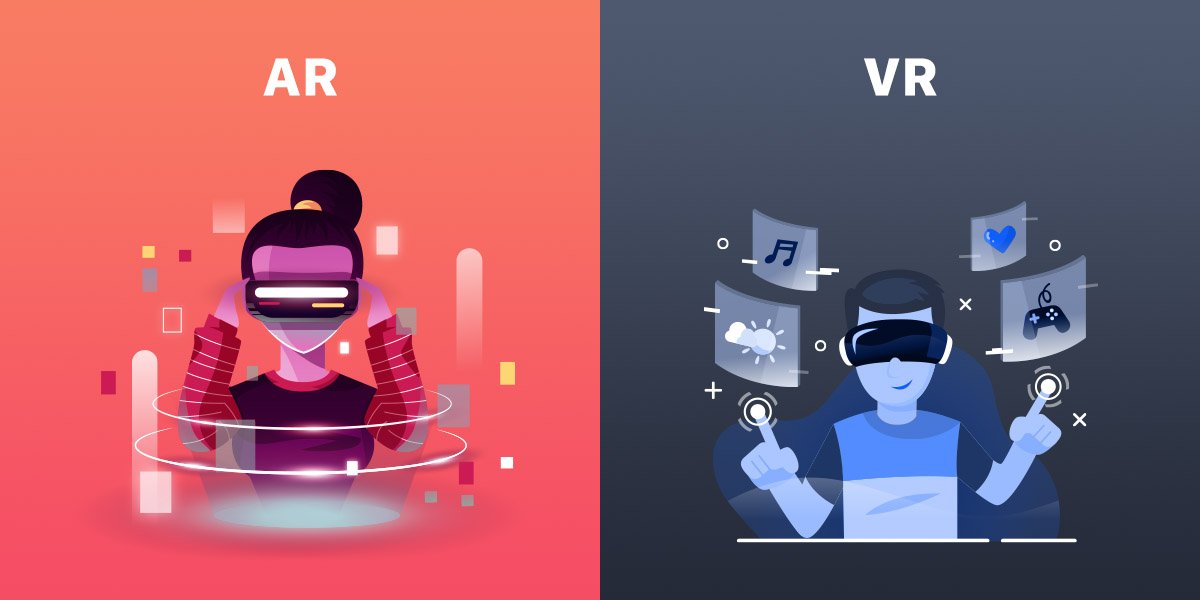
The primary difference lies in immersion. AR blends digital content with the real world, allowing users to stay connected to their surroundings. VR fully immerses users in a virtual environment, cutting them off from the physical world. AR usually requires just a smartphone or tablet, while VR often needs specialized hardware like headsets and controllers.
Another distinction is their use cases. AR is often used for enhancing real-world tasks—such as trying furniture in your home before buying or getting real-time navigation directions. VR is more suited for fully immersive experiences like gaming, simulations, and virtual training environments.
Applications Across Industries
Both AR and VR are being adopted across various industries. In healthcare, AR assists surgeons with real-time data overlays, while VR is used for medical training simulations. In education, AR brings textbooks to life, and VR enables students to explore historical sites or even outer space. Retailers use AR to improve shopping experiences, while VR is used for virtual showrooms.
Advantages and Challenges
AR is more accessible and easier to adopt since it works on everyday devices. However, it may offer limited immersion. VR provides a deeper, more engaging experience but can be expensive and may cause discomfort for some users during prolonged use.
Both technologies face challenges such as high development costs, hardware limitations, and the need for better user experiences. However, ongoing advancements continue to address these issues.
The Future of AR and VR
The future of AR and VR is incredibly promising. With the rise of wearable devices, faster internet speeds, and improved graphics, both technologies are expected to become more integrated into daily life. Companies like Apple Inc. and Meta Platforms are investing heavily in immersive technologies, pushing innovation forward.
In conclusion, Augmented Reality and Virtual Reality are not competing technologies but complementary ones. While AR enhances our current reality, VR creates entirely new ones. Together, they are redefining how we experience the digital world and opening up endless possibilities for the future.
.png)