
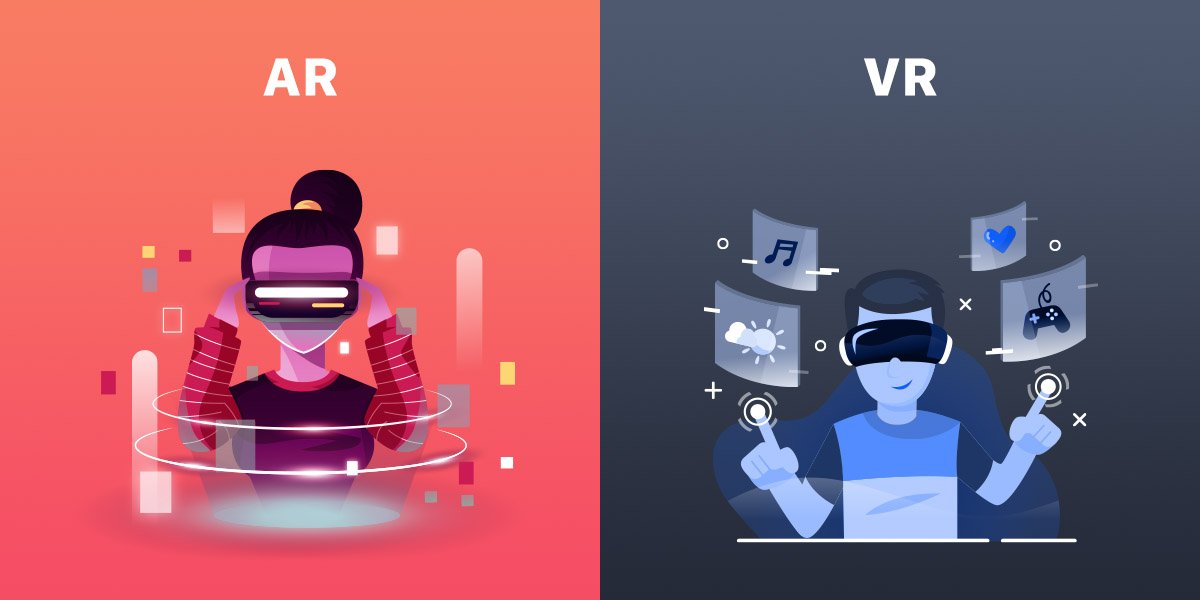
In recent years, technologies like Augmented Reality (AR) and Virtual Reality (VR) have rapidly evolved, changing the way we interact with digital content. From gaming and education to healthcare and business, these immersive technologies are reshaping multiple industries.
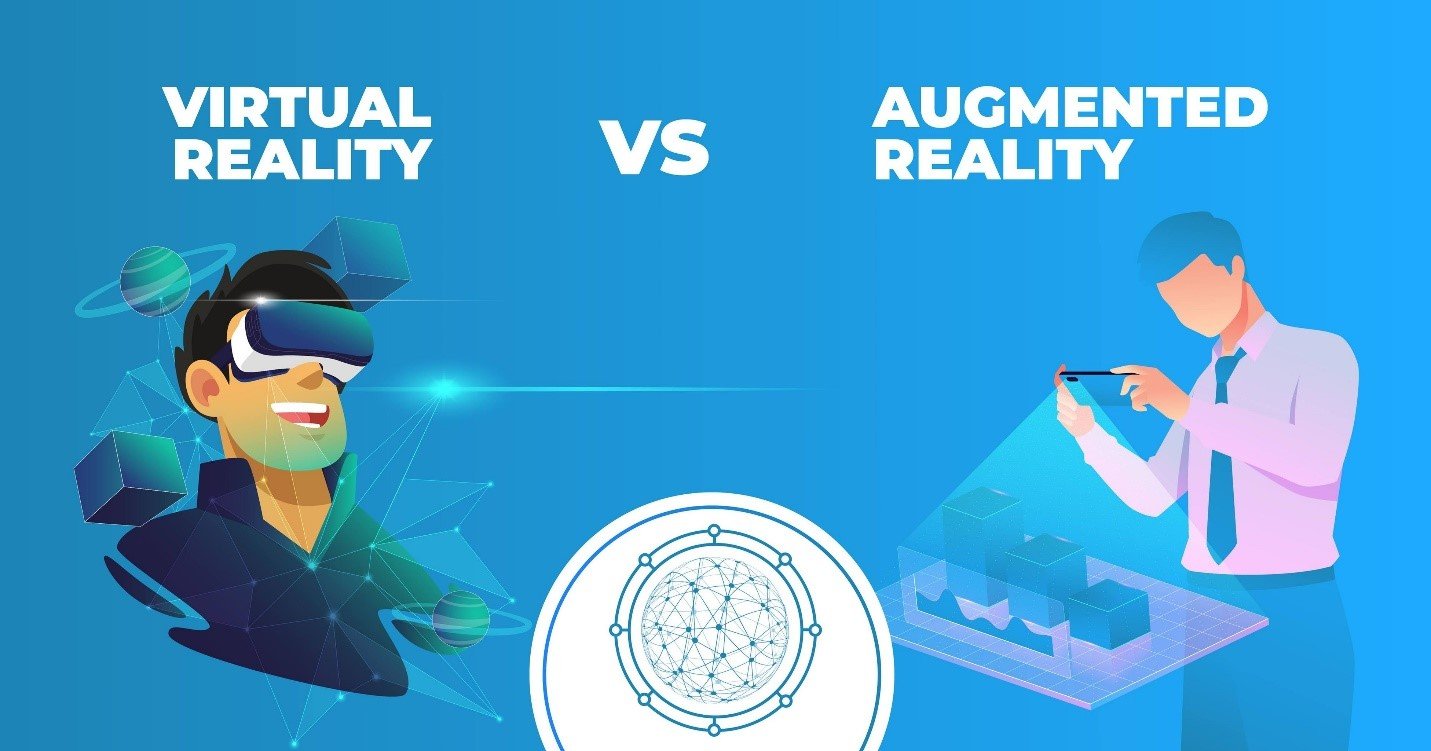
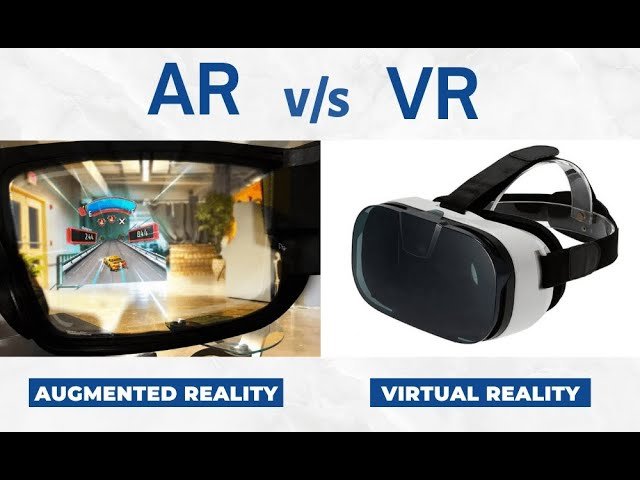
Augmented Reality enhances the real-world environment by overlaying digital elements such as images, sounds, or data onto it. Unlike VR, AR does not replace reality but adds to it.
Examples of AR:
Key Features:
Virtual Reality creates a completely immersive digital environment that replaces the real world. Users typically wear VR headsets to experience a simulated environment.
Examples of VR:
Key Features:
AR and VR have revolutionized gaming by offering immersive and interactive experiences.
Students can explore complex subjects like anatomy or space in an engaging way.
Doctors use VR for surgical simulations and AR for real-time guidance during procedures.
Companies use AR to allow customers to try products virtually before buying.
Augmented Reality and Virtual Reality are transforming how we experience digital content. While AR enhances the real world, VR creates entirely new ones. Together, they represent the future of immersive technology, opening endless possibilities across industries.
.png)
.png)