In today’s digital world, businesses generate massive amounts of data every second. To process and manage this data efficiently, two major technologies have emerged: edge computing and cloud computing. While both play a crucial role in modern IT infrastructure, they serve different purposes and are best suited for different scenarios.
Understanding when and why to use each can help organizations improve performance, reduce costs, and deliver better user experiences
Cloud computing refers to delivering computing services—such as storage, processing power, and applications—over the internet. Instead of relying on local machines, data is stored and processed in centralized data centers.
Key Features:
Centralized data storage
Scalable resources on demand
Accessible from anywhere
Cost-effective for large-scale operations
Examples:
Services like Google Drive, AWS, and Microsoft Azure rely heavily on cloud computing.
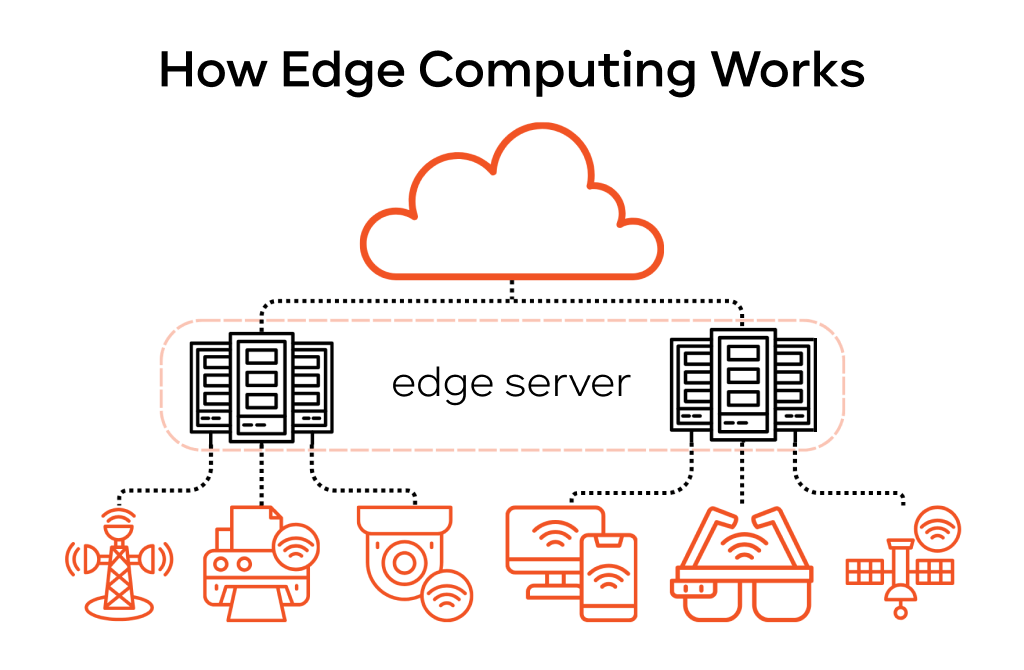
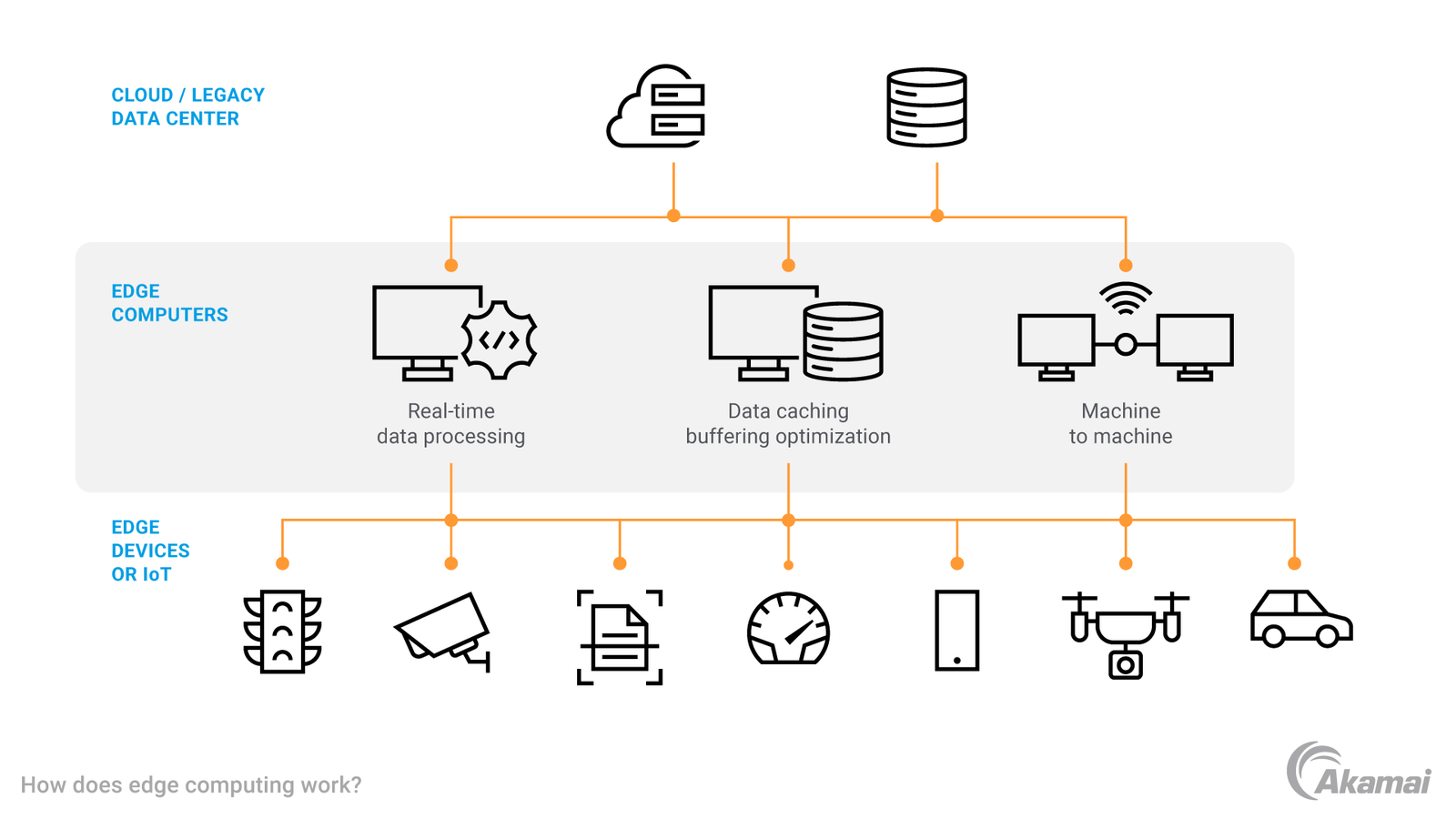
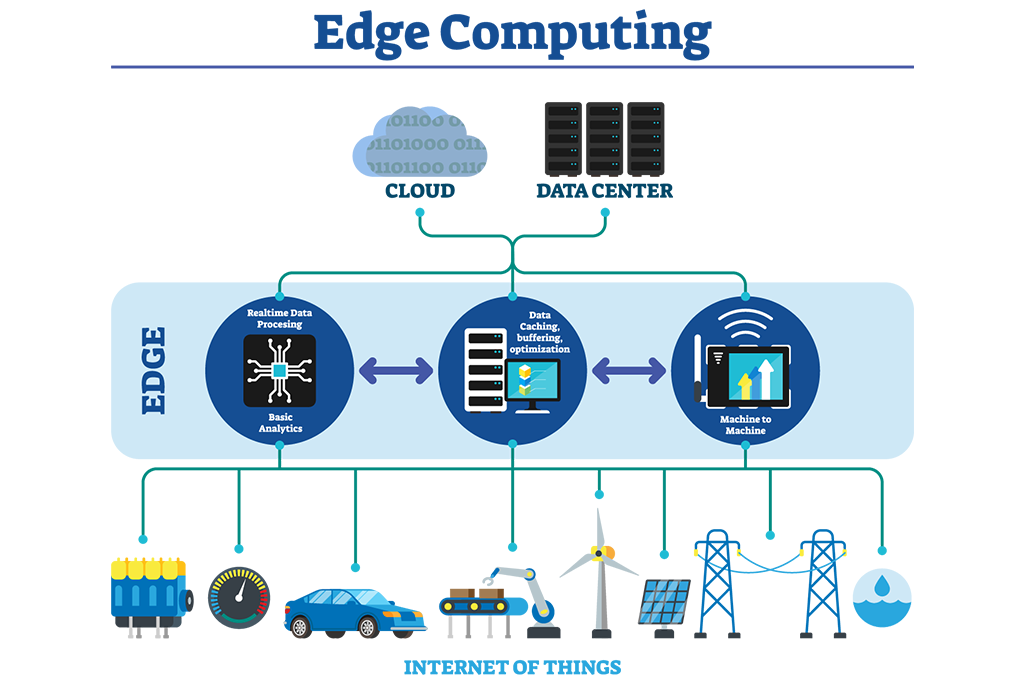
Edge computing processes data closer to where it is generated—on devices or nearby servers—rather than sending everything to a centralized cloud.
Key Features:
Low latency (faster response time)
Reduced bandwidth usage
Real-time data processing
Improved reliability in remote areas
Examples:
Smart devices, autonomous vehicles, and IoT sensors often use edge computing.
| Feature | Cloud Computing | Edge Computing |
|---|---|---|
| Location | Centralized data centers | Near the data source |
| Latency | Higher | Very low |
| Speed | Slower for real-time tasks | Faster for instant processing |
| Scalability | Highly scalable | Limited compared to cloud |
| Bandwidth Usage | High | Reduced |
| Connectivity | Requires stable internet | Can work with limited connectivity |
In many cases, organizations benefit from combining both technologies. This is known as a hybrid approach, where:
Edge computing handles real-time processing
Cloud computing stores and analyzes large datasets
Example:
A smart security camera can detect motion using edge computing and send recorded footage to the cloud for storage and analysis.
Edge and cloud computing are not competitors—they are complementary technologies. While cloud computing excels in storage and scalability, edge computing shines in speed and real-time processing.
Choosing the right approach depends on your specific needs. For most modern applications, combining both offers the best of both worlds, enabling faster, smarter, and more efficient data processing.
.png)
.png)