In today’s digital world, billions of devices generate massive amounts of data every second. From smartphones and smart homes to industrial machines and self-driving cars, the need for faster data processing has never been greater. This is where Edge Computing comes into play.
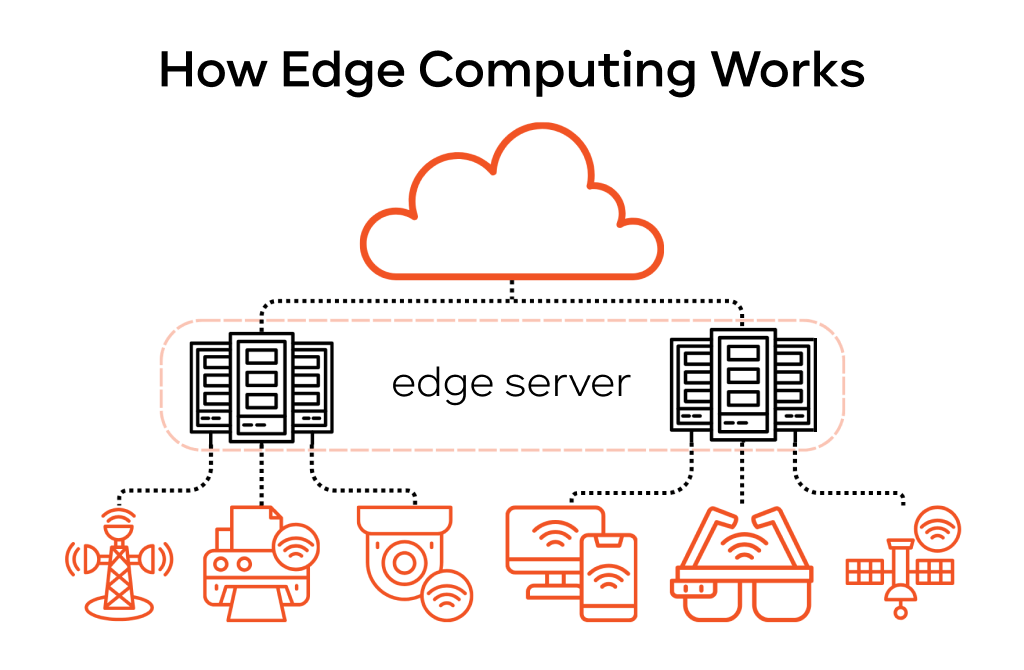
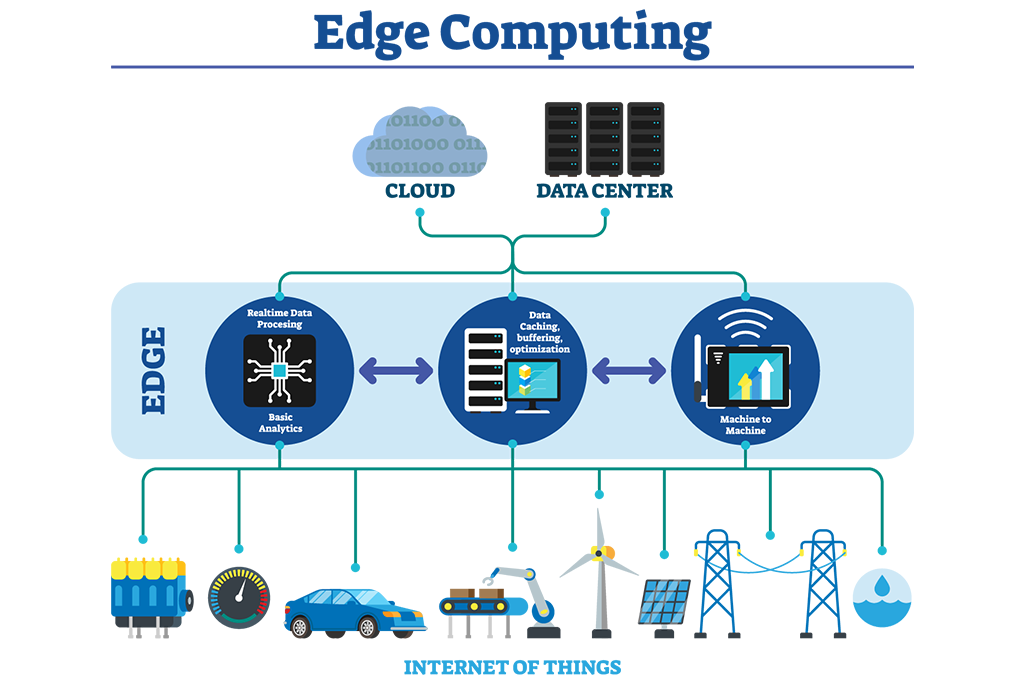
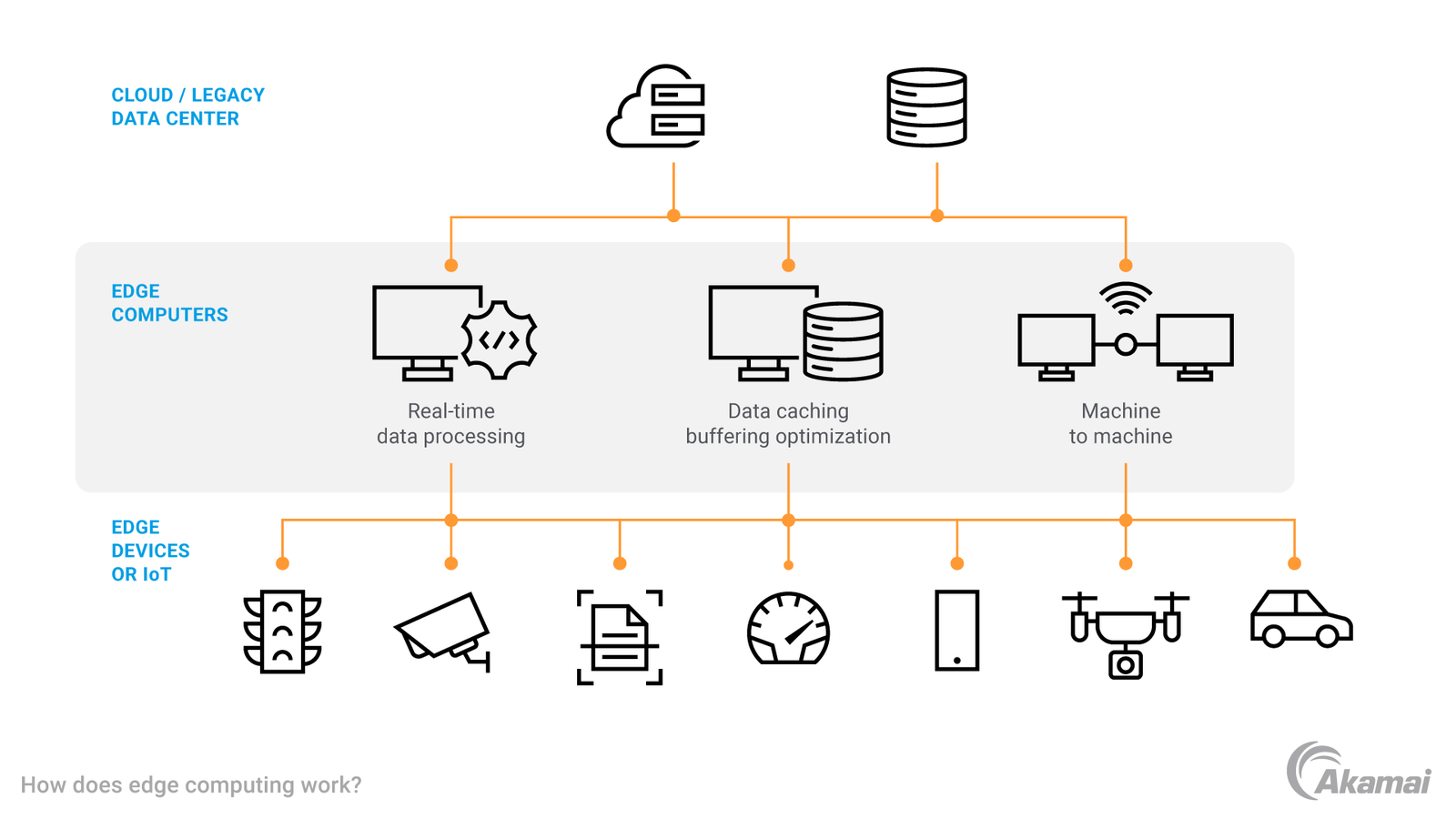
Edge computing is transforming how data is processed by bringing computation closer to where the data is generated. Instead of sending all data to centralized cloud servers, edge computing processes it locally at the “edge” of the network. This approach significantly improves speed, efficiency, and reliability.
Edge computing is a distributed computing model that processes data near the source of data generation, such as sensors, IoT devices, or local edge servers. By reducing the distance data must travel, edge computing minimizes latency and improves response times.
In traditional cloud computing, data from devices is sent to distant data centers for processing. However, this can cause delays, especially for applications that require real-time responses. Edge computing solves this problem by performing computations closer to the devices themselves.
As technologies like IoT, artificial intelligence, and autonomous systems continue to grow, the volume of data produced is increasing rapidly. Processing all this data in centralized clouds can create network congestion and slow performance.
Edge computing addresses these challenges by offering several advantages:
Since data is processed near its source, response times become much faster. This is critical for applications such as autonomous vehicles, healthcare monitoring systems, and online gaming.
Edge computing reduces the amount of data sent to the cloud by filtering and processing it locally. Only essential data is transmitted, which helps save bandwidth and reduces costs.
Local processing allows systems to continue operating even if the connection to the cloud is lost. This is especially important for industrial operations and remote environments.
Sensitive data can be processed locally rather than transmitted across networks. This reduces the risk of interception and improves data privacy.
Edge computing is already being used in many industries:
Smart Cities – Traffic cameras and sensors process data locally to manage traffic flow and reduce congestion.
Healthcare – Wearable devices and medical sensors analyze patient data in real time to detect health issues quickly.
Autonomous Vehicles – Self-driving cars must process large amounts of sensor data instantly to make safe driving decisions.
Industrial IoT – Factories use edge computing to monitor machines, predict failures, and improve efficiency.
Retail – Smart stores use edge devices to analyze customer behavior and optimize inventory management.
Edge computing is expected to grow rapidly as technologies like 5G, Internet of Things (IoT), and Artificial Intelligence (AI) continue to expand. These technologies require ultra-fast data processing and minimal latency, making edge computing essential.
Experts predict that in the coming years, most data processing will happen at the edge rather than in centralized data centers. This shift will enable smarter cities, more efficient industries, and innovative digital experiences.
Edge computing is reshaping the way data is processed and delivered. By moving computation closer to the source of data, it enables faster decision-making, reduces network congestion, and improves overall system performance.
As the number of connected devices continues to grow, edge computing will play a crucial role in supporting the next generation of digital technologies.
.png)
.png)