.png)
As technology continues to evolve, the demand for faster and more efficient data processing is growing rapidly. Traditional cloud computing has played a major role in handling large amounts of data, but it often faces challenges like latency and bandwidth limitations. This is where edge computing comes in—offering a smarter and more responsive way to process data.
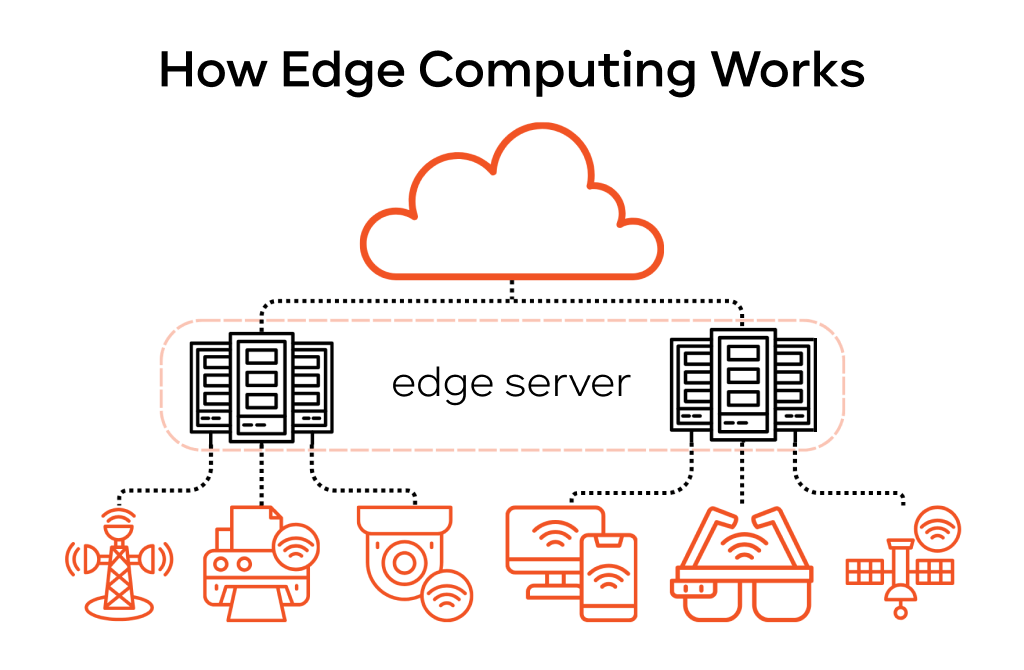
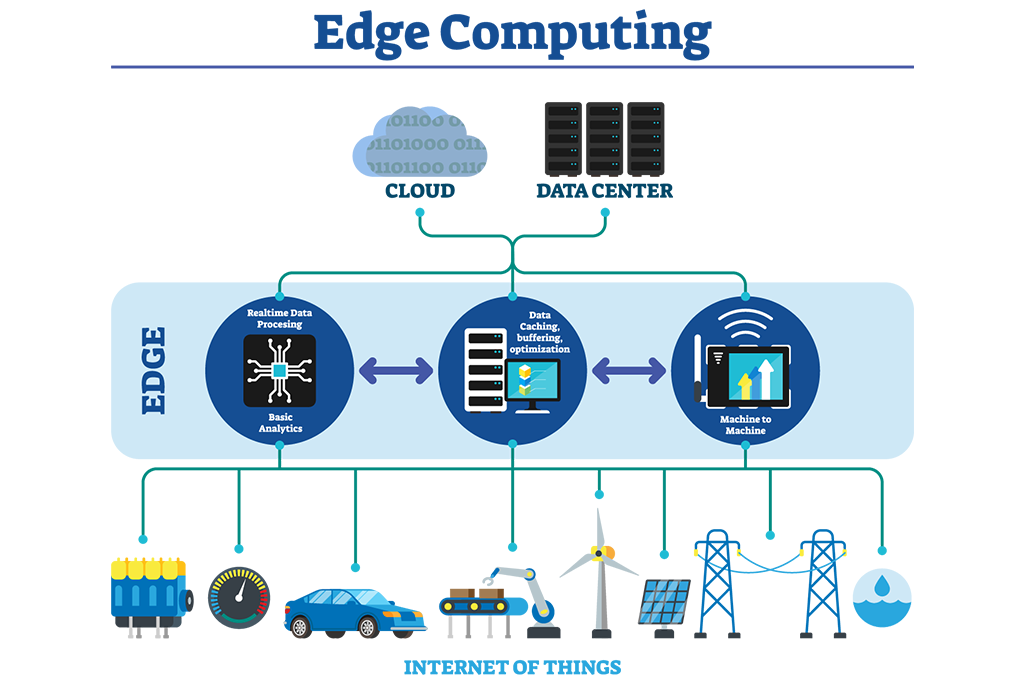
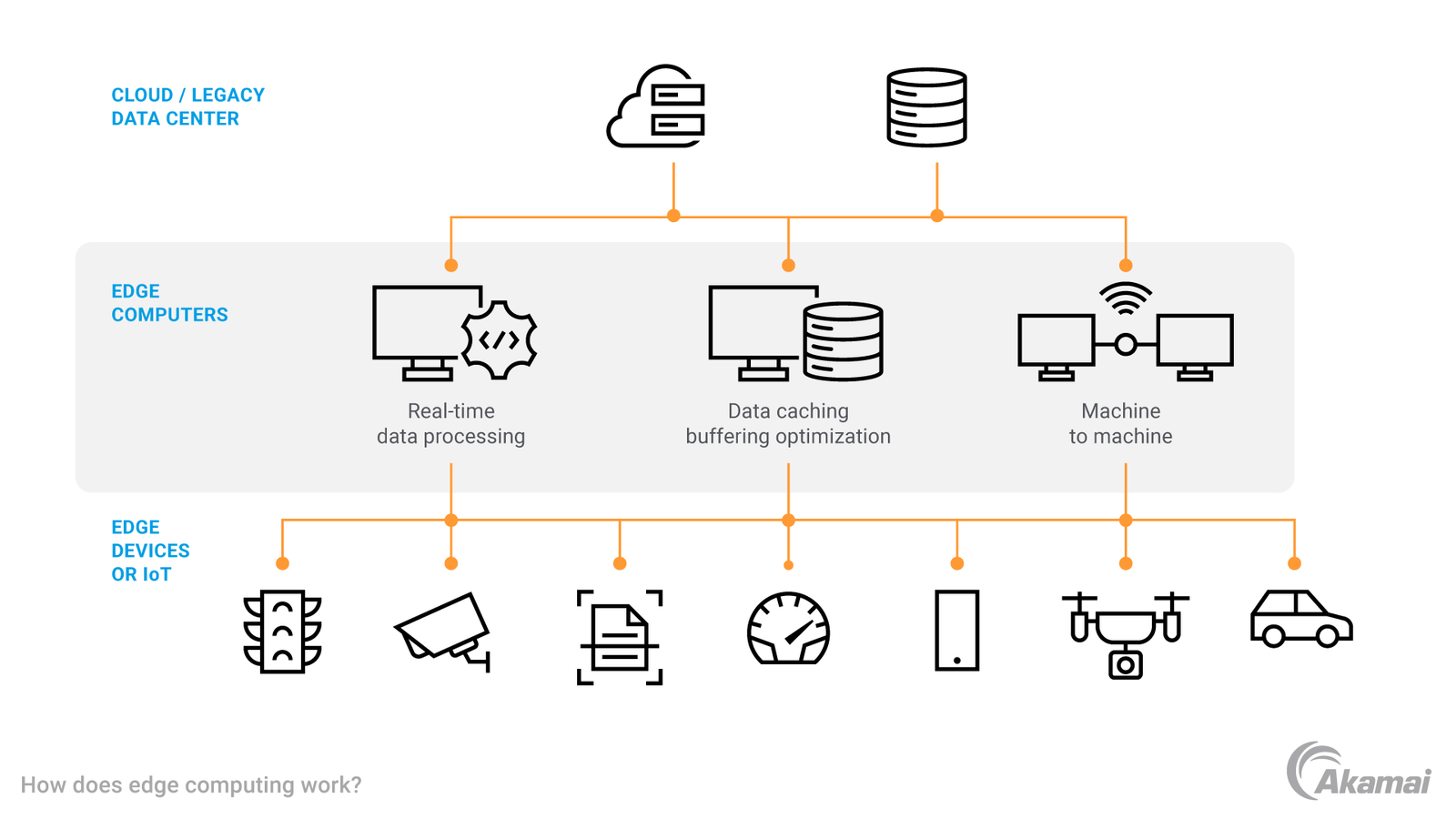
Edge computing is a model where data is processed closer to its source, rather than being sent to a centralized cloud server. This “edge” can be anything from a local device, like a smartphone or IoT sensor, to a nearby server. By handling data locally, edge computing reduces the time it takes to process and respond, leading to faster performance.
One of the biggest advantages of edge computing is low latency. In applications like autonomous vehicles, healthcare monitoring, and smart cities, even a small delay can have serious consequences. Processing data at the edge ensures real-time or near real-time responses, which is critical for these use cases.
Another benefit is reduced bandwidth usage. Instead of sending massive amounts of raw data to the cloud, only relevant or processed data is transmitted. This not only saves network resources but also lowers operational costs for businesses.
Edge computing also improves reliability. Since data processing happens locally, systems can continue to function even if there is limited or no internet connectivity. This is especially useful in remote locations or industries like manufacturing and agriculture.
Security and privacy are additional advantages. Sensitive data can be processed and stored closer to where it is generated, reducing the risk of exposure during transmission. However, it also introduces new challenges, as securing multiple edge devices can be more complex than protecting a centralized system.
Edge computing is closely linked with emerging technologies such as the Internet of Things (IoT), 5G networks, and artificial intelligence. Together, they enable smarter devices and more efficient systems, from smart homes to industrial automation.
Despite its benefits, edge computing is still developing. Challenges like infrastructure costs, device management, and standardization need to be addressed for wider adoption. However, as technology advances, edge computing is expected to become a key part of the digital ecosystem.
In conclusion, edge computing represents a shift toward faster, more efficient, and decentralized data processing. By bringing computation closer to where data is created, it opens up new possibilities for innovation and real-time decision-making in an increasingly connected world.
.png)