.png)
As the digital world becomes faster and more connected, the demand for real-time data processing has never been higher. In 2026, edge computing is emerging as a critical technology that brings computation closer to where data is generated—unlocking speed, efficiency, and smarter decision-making.
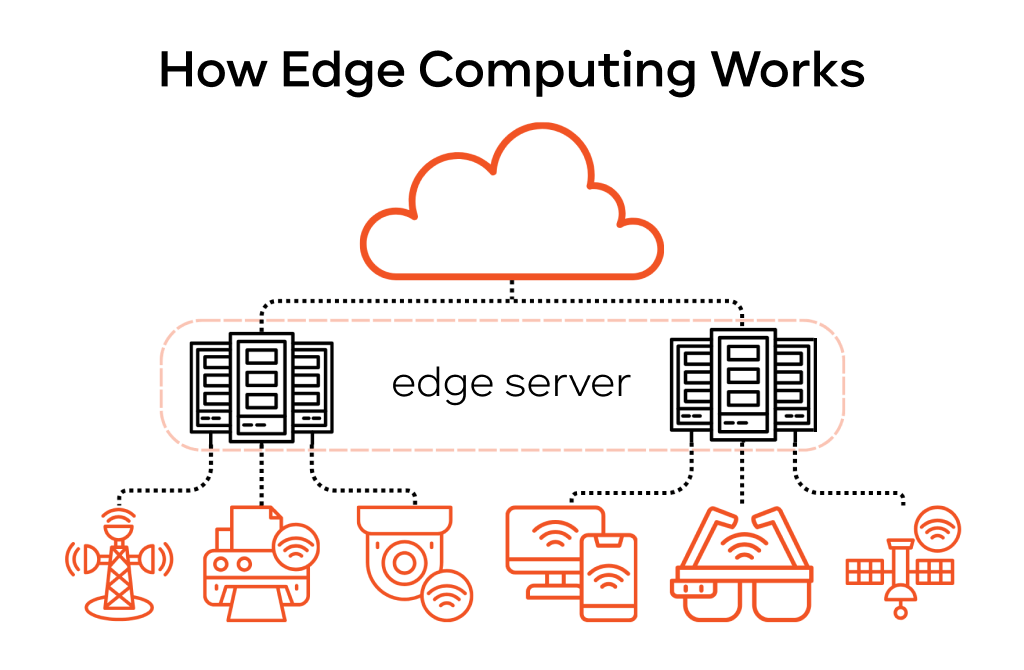
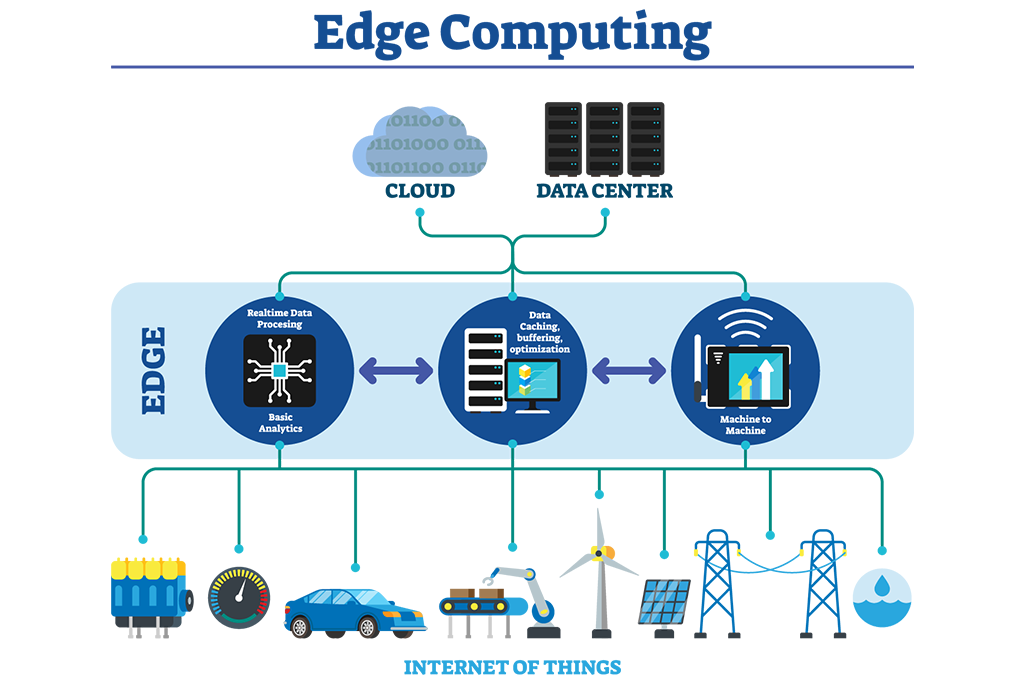
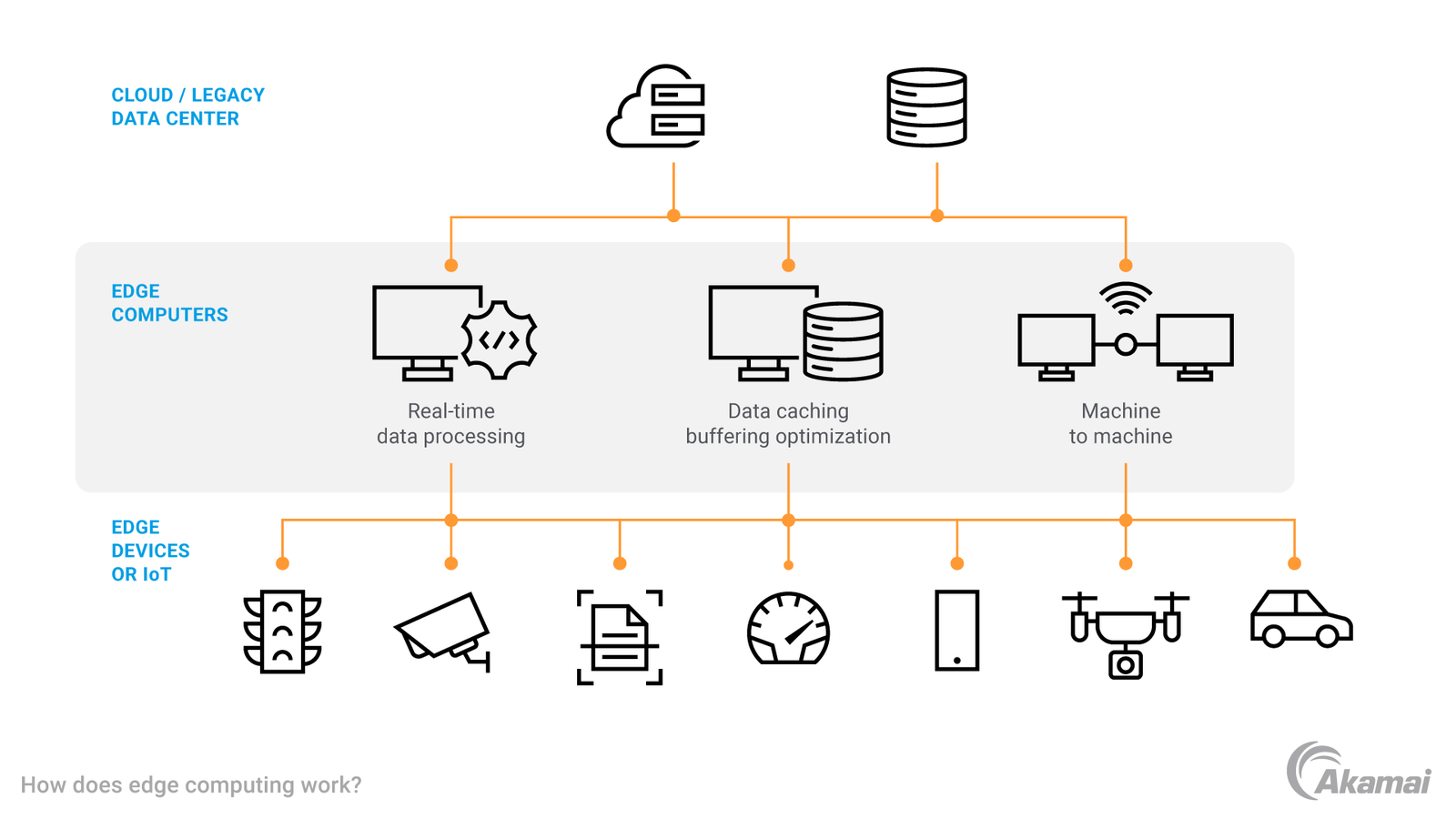
Edge computing is a distributed computing model where data is processed near the source—such as IoT devices, sensors, or local servers—instead of relying entirely on centralized cloud systems.
Rather than sending all data to distant data centers, edge computing allows:
With billions of connected devices generating massive amounts of data every second, traditional cloud computing alone can no longer keep up.
Edge computing solves this by:
Edge computing is transforming multiple sectors:
1. Smart Cities
Traffic systems, surveillance, and public services use edge devices to process data instantly and improve urban efficiency.
2. Healthcare
Wearable devices and remote monitoring systems analyze patient data in real time, enabling faster diagnosis and response.
3. Autonomous Vehicles
Self-driving cars rely on edge computing to process sensor data instantly for safe navigation.
4. Industrial Automation
Factories use edge systems to monitor machinery, predict failures, and optimize operations without delays.
5. Retail & Customer Experience
Edge computing enables personalized in-store experiences and faster checkout systems.
Edge computing doesn’t replace cloud computing—it complements it.
Looking ahead, edge computing will continue to evolve alongside technologies like 5G, AI, and IoT.
Expected trends include:
Edge computing is redefining how data is processed in a hyper-connected world. By bringing intelligence closer to the source, it enables faster decisions, better performance, and new possibilities across industries.
As we move further into 2026, edge computing will not just support innovation—it will drive it.
.png)