
As businesses and technologies continue to evolve, cloud computing has become a critical foundation for innovation. It allows organizations to move beyond traditional infrastructure and adopt more scalable, cost-effective, and flexible solutions.
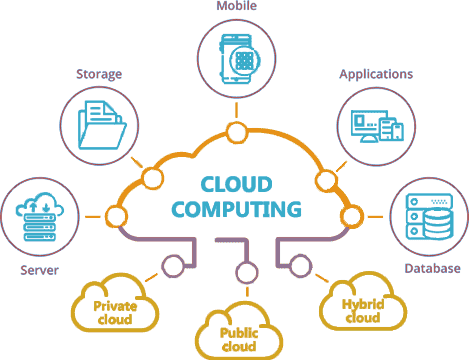
Cloud computing is the delivery of computing services—such as storage, servers, databases, networking, and software—over the internet. Instead of relying on local hardware, users can access resources on demand from cloud providers.
Cloud computing offers several advantages that make it essential in today’s digital landscape:
Cloud computing is typically divided into three main service models:
Each model serves different business needs and levels of control.
Organizations can choose from different types of cloud environments:
These options provide flexibility depending on security and performance requirements.
Cloud computing is widely used across industries:
The future of cloud computing is promising, with trends like multi-cloud strategies, serverless computing, and edge computing gaining popularity. As technology advances, cloud solutions will become even more powerful and efficient.
Cloud computing is transforming how businesses operate by providing scalable, flexible, and efficient solutions. As organizations continue to embrace digital transformation, cloud computing will remain a key driver of innovation and growth.