In today’s fast-paced digital era, cloud computing has emerged as one of the most powerful technologies shaping how businesses and individuals operate. From streaming your favorite shows to storing important documents online, cloud computing plays a vital role behind the scenes.
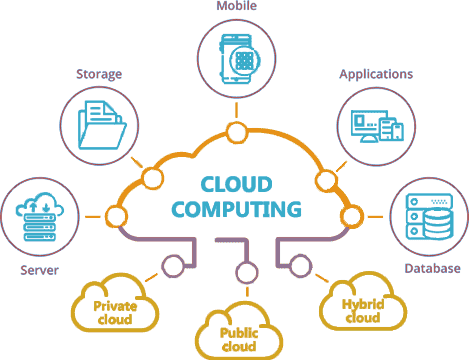
Cloud computing refers to the delivery of computing services—such as servers, storage, databases, networking, software, and analytics—over the internet (“the cloud”). Instead of owning and maintaining physical hardware, users can access these resources on-demand from cloud providers.
Cloud computing is generally categorized into three main types:
Businesses can reduce costs by eliminating the need for expensive hardware and maintenance. You only pay for what you use.
Cloud services allow you to scale resources up or down based on demand, making it ideal for growing businesses.
Data and applications can be accessed from anywhere with an internet connection, enabling remote work and collaboration.
Cloud providers invest heavily in security measures, including data encryption and regular backups, to protect user data.
Cloud systems are regularly updated with the latest technology, ensuring high efficiency and minimal downtime.
Cloud computing is used across various industries:
The future of cloud computing looks promising, with advancements in artificial intelligence, machine learning, and edge computing further enhancing its capabilities. As more organizations adopt digital transformation, cloud technology will continue to evolve and expand.
Cloud computing is no longer just an option—it has become a necessity in the modern world. Its flexibility, cost-effectiveness, and wide range of applications make it an essential tool for both individuals and businesses. Embracing cloud technology can lead to increased efficiency, innovation, and growth in an increasingly connected world.