
In today’s fast-paced digital world, delivering high-quality software quickly is no longer optional—it’s essential. Traditional development and operations teams often worked in silos, leading to delays, miscommunication, and inefficiencies. This is where DevOps culture comes in, transforming how teams collaborate and deliver value.
DevOps culture is a set of practices, values, and principles that emphasize collaboration between development (Dev) and operations (Ops) teams. Instead of working separately, both teams share responsibilities, tools, and goals throughout the software development lifecycle.
It’s not just about tools or automation—it’s about people, processes, and mindset.
Organizations adopting DevOps culture experience:
By breaking down silos, teams can work more efficiently and respond faster to changing business needs.
DevOps encourages developers and operations teams to work together rather than independently. Shared responsibilities lead to better understanding and smoother workflows.
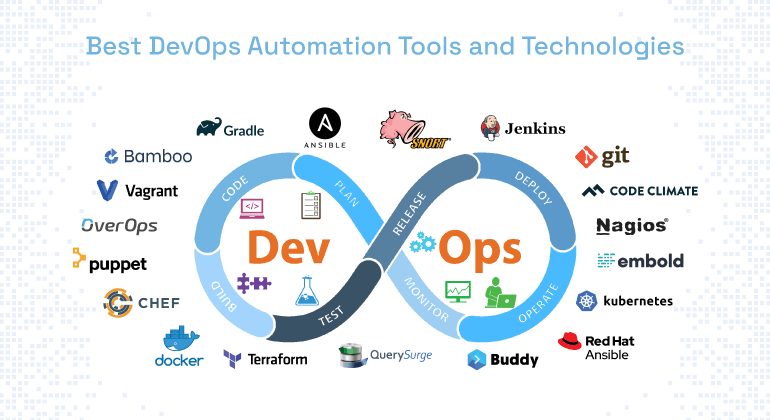
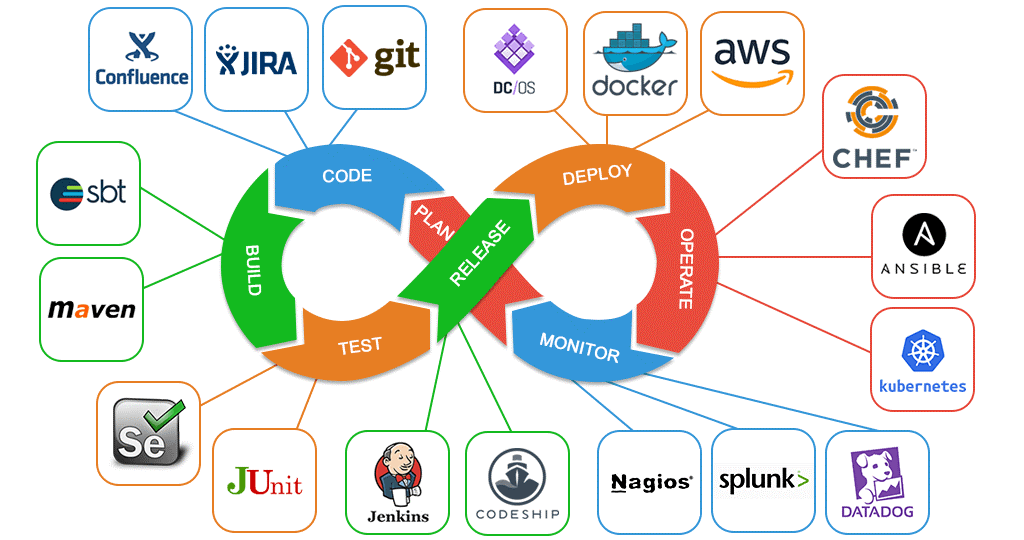
Automation reduces manual errors and speeds up processes like testing, integration, and deployment. This includes CI/CD pipelines, infrastructure provisioning, and monitoring.
Teams constantly analyze performance, gather feedback, and improve processes. This mindset helps organizations stay competitive.
Both Dev and Ops teams are responsible for the success of the application—from development to deployment and maintenance.
DevOps focuses on delivering value to customers quickly and reliably, ensuring better user experiences.
DevOps eliminates traditional barriers by:
DevOps culture is more than a methodology—it’s a transformation in how teams think and work. By bridging the gap between development and operations, organizations can deliver better software faster and more efficiently.
Adopting DevOps is not an overnight process, but with the right mindset and practices, it can lead to long-term success and innovation.
.png)