
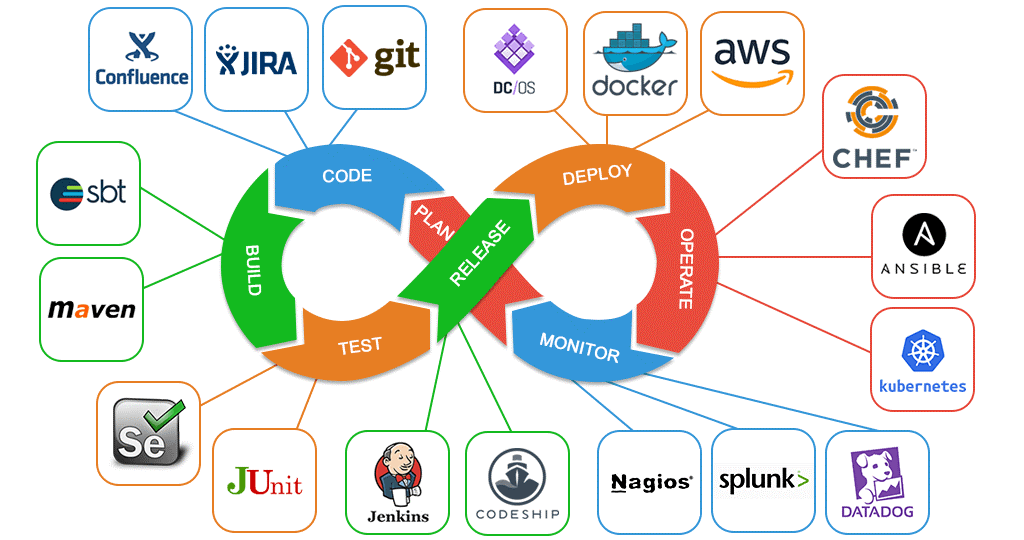
In today’s fast-paced digital world, businesses are under constant pressure to deliver software faster, more reliably, and at scale. This is where DevOps and automation come into play—transforming how teams build, test, and deploy applications.
DevOps is a combination of development (Dev) and operations (Ops) practices that aims to shorten the software development lifecycle while delivering high-quality software continuously. It promotes collaboration, shared responsibility, and a culture of continuous improvement.
Automation is the backbone of DevOps. Without it, processes become slow, error-prone, and inconsistent. Automation helps teams:
Automation pipelines allow developers to automatically build, test, and deploy code changes. This ensures faster releases and quicker feedback.
Instead of manually configuring servers, teams define infrastructure using code. This makes environments reproducible and easy to scale.
Automated monitoring tools track system performance and alert teams about issues in real time, improving reliability and uptime.
Automation ensures systems are configured consistently across environments, reducing “it works on my machine” problems.
While DevOps and automation offer many advantages, organizations may face:
The future is moving toward AI-driven automation, self-healing systems, and GitOps practices. As organizations continue adopting cloud-native technologies, DevOps will become even more essential.
DevOps and automation are no longer optional—they are essential for modern software development. By embracing these practices, organizations can deliver better software, faster, and with greater confidence.
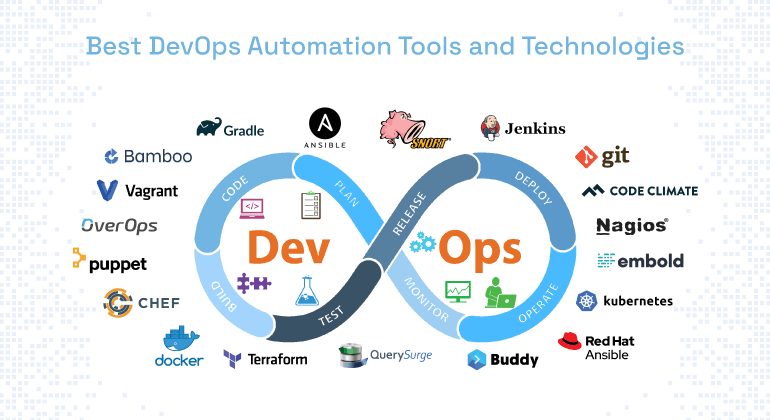
.png)