
In today’s fast-paced digital landscape, organizations are under constant pressure to deliver high-quality software faster than ever before. This demand has fueled the rise of DevOps—a culture and set of practices that unify development and operations teams. At the heart of this transformation lies automation, which has become the backbone of efficient, reliable, and scalable software delivery.
DevOps is more than just a set of tools; it’s a cultural shift that emphasizes collaboration, continuous integration, continuous delivery (CI/CD), and rapid feedback loops. By breaking down silos between development and operations teams, DevOps enables organizations to deploy applications more frequently and with greater reliability.
Automation is essential to achieving the goals of DevOps. Without it, processes remain slow, error-prone, and difficult to scale. Automation helps streamline repetitive tasks, enforce consistency, and free up engineers to focus on innovation.
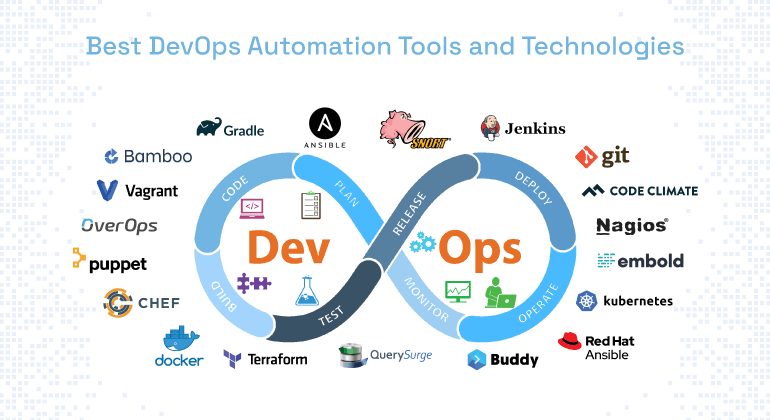
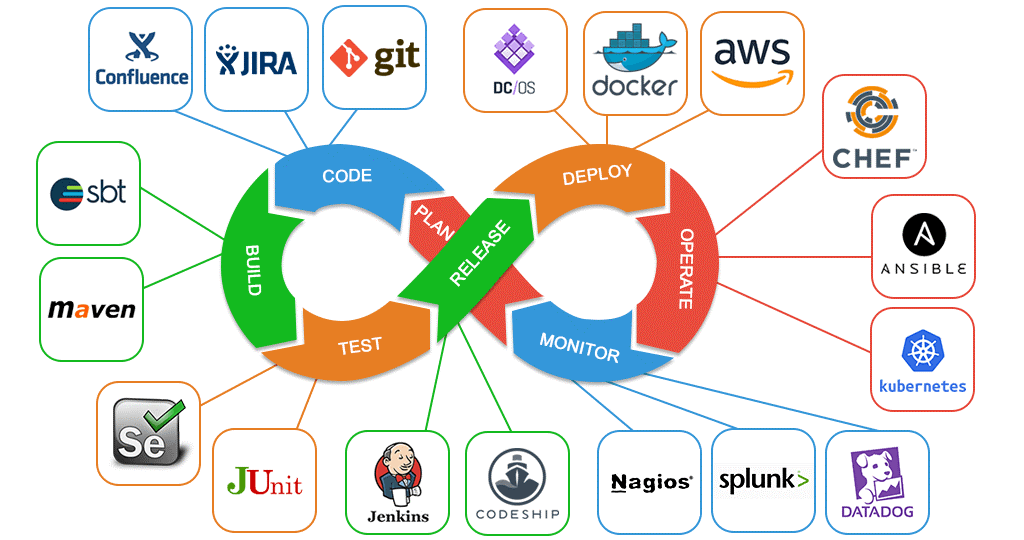
Key areas where automation plays a crucial role include:
Automation allows developers to integrate code changes frequently and deploy them automatically. CI/CD pipelines ensure that code is tested, built, and released with minimal human intervention, reducing the risk of bugs and deployment failures.
With IaC, infrastructure is defined and managed using code rather than manual processes. This allows teams to provision environments quickly, maintain consistency, and track changes through version control systems.
Testing is a critical component of software quality. Automation enables teams to run unit, integration, and performance tests continuously, ensuring that issues are detected early in the development cycle.
Automated monitoring tools provide real-time insights into system performance and application health. Alerts and logs help teams quickly identify and resolve issues, improving system reliability.
Automation tools help manage system configurations across multiple environments, ensuring consistency and reducing configuration drift.
While automation offers numerous benefits, it also comes with challenges:
As technologies like AI and machine learning continue to evolve, DevOps automation is expected to become even more intelligent. Predictive analytics, self-healing systems, and autonomous deployments are no longer distant possibilities—they are rapidly becoming reality.
Organizations that embrace automation as a core part of their DevOps strategy will be better positioned to innovate, adapt, and compete in an increasingly digital world.
DevOps and automation are inseparable in modern software development. Together, they enable faster delivery, higher quality, and greater efficiency. By investing in automation and fostering a DevOps culture, organizations can unlock their full potential and stay ahead in a competitive market.
.png)