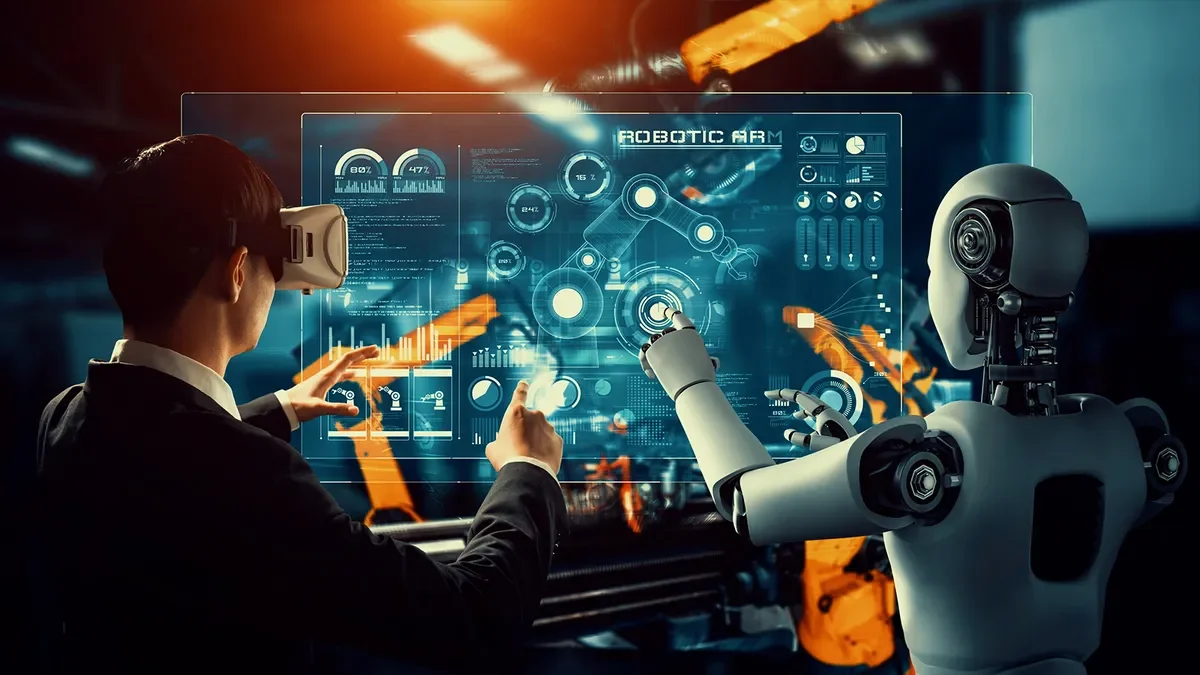
Robotics is no longer a futuristic concept—it’s a present-day reality transforming the way we live and work. From manufacturing plants to healthcare systems, next-generation automation powered by robotics is reshaping industries at an unprecedented pace. Businesses are leveraging intelligent machines to improve efficiency, reduce costs, and unlock new possibilities.
Robotics has come a long way from simple mechanical arms performing repetitive tasks. Today’s robots are powered by artificial intelligence, machine learning, and advanced sensors. These technologies enable robots to learn, adapt, and make decisions in real time, making them more versatile and efficient than ever before.
Manufacturing has been at the forefront of robotics adoption. Automated assembly lines, precision welding, and quality control systems have significantly improved productivity and reduced human error. Robots can work 24/7, increasing output while maintaining consistent quality.
In healthcare, robotics is revolutionizing patient care. Surgical robots assist doctors in performing complex procedures with higher precision. Robots are also used for patient monitoring, rehabilitation, and even delivering medications within hospitals.
Warehouses and delivery systems are becoming smarter with robotic automation. Autonomous robots handle inventory, sorting, and packaging, speeding up operations and minimizing delays. This has become especially important in the era of e-commerce.
Robotics is helping farmers increase yield and efficiency. From automated harvesting machines to drones that monitor crop health, technology is enabling smarter and more sustainable farming practices.
Despite its advantages, robotics also brings challenges. High initial investment costs, the need for skilled workers, and concerns about job displacement are key issues organizations must address. Ethical considerations and data security also play an important role in the adoption of robotics.
The future of robotics is incredibly promising. With advancements in AI and connectivity, robots will become more collaborative, working alongside humans rather than replacing them. Industries will continue to evolve, and new opportunities will emerge as robotics becomes more accessible and intelligent.
Next-generation automation is not just transforming industries—it’s redefining the way we interact with technology. As robotics continues to advance, it will play a crucial role in shaping a smarter, more efficient, and innovative world.