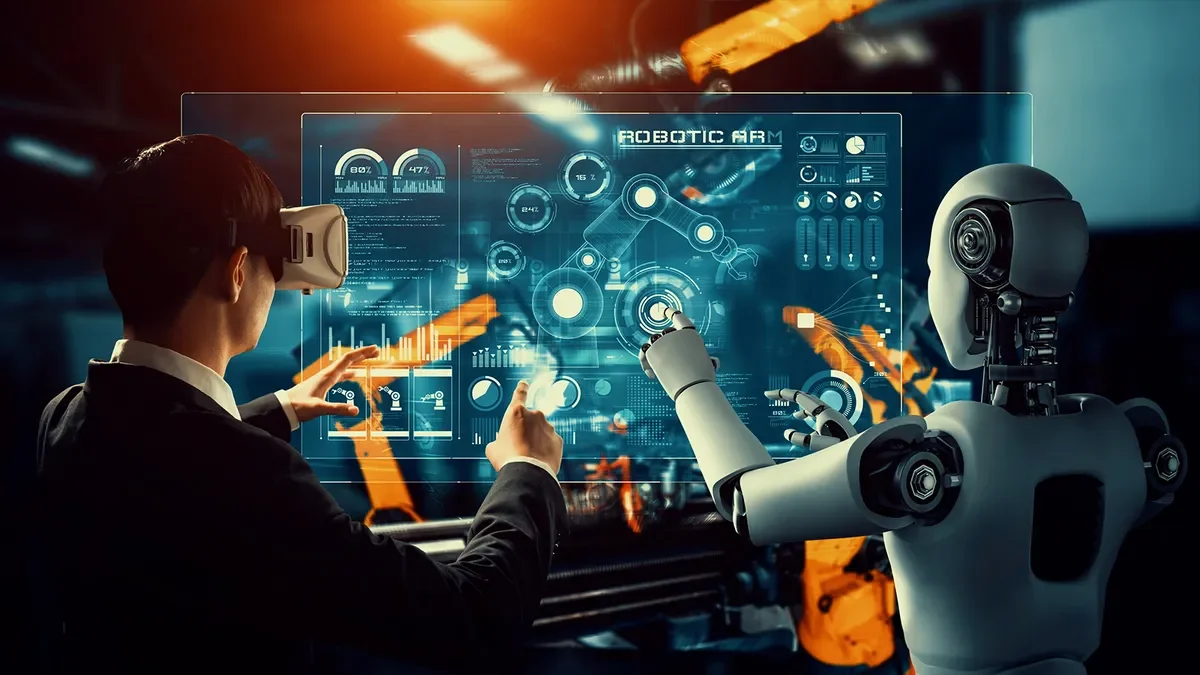
Robotics is no longer a concept confined to science fiction—it is a rapidly evolving field that is transforming industries, redefining work, and reshaping the way humans interact with technology. From automated manufacturing lines to intelligent personal assistants, robots are becoming an integral part of modern life.
Robotics is an interdisciplinary branch of engineering and science that involves the design, construction, operation, and use of robots. It combines elements of mechanical engineering, electrical engineering, and computer science to create machines capable of performing tasks autonomously or semi-autonomously.
The idea of robots dates back centuries, but significant progress began in the 20th century. Early industrial robots were introduced in factories to perform repetitive tasks like welding and assembly. Over time, advancements in computing and artificial intelligence enabled robots to become more sophisticated, capable of learning, adapting, and interacting with their environments.
Robots come in various forms, each designed for specific purposes:
Several technologies are fueling the growth of robotics:
Robotics is making a significant impact across multiple sectors:
Benefits:
Challenges:
The future of robotics is promising and exciting. With continuous advancements in AI and computing power, robots are expected to become more intelligent, collaborative, and accessible. Human-robot collaboration will likely become the norm, with robots assisting rather than replacing human workers.
Emerging trends include soft robotics, swarm robotics, and bio-inspired designs, all of which aim to make robots more adaptable and efficient. As technology progresses, robotics will continue to push the boundaries of what machines can achieve.
Robotics is at the forefront of technological innovation, offering solutions to complex problems and opening new possibilities for the future. While challenges remain, the potential benefits far outweigh the risks. As we continue to integrate robots into our daily lives, it is essential to ensure that their development aligns with ethical standards and human values.
Robotics is not just about machines—it’s about creating a smarter, safer, and more efficient world.