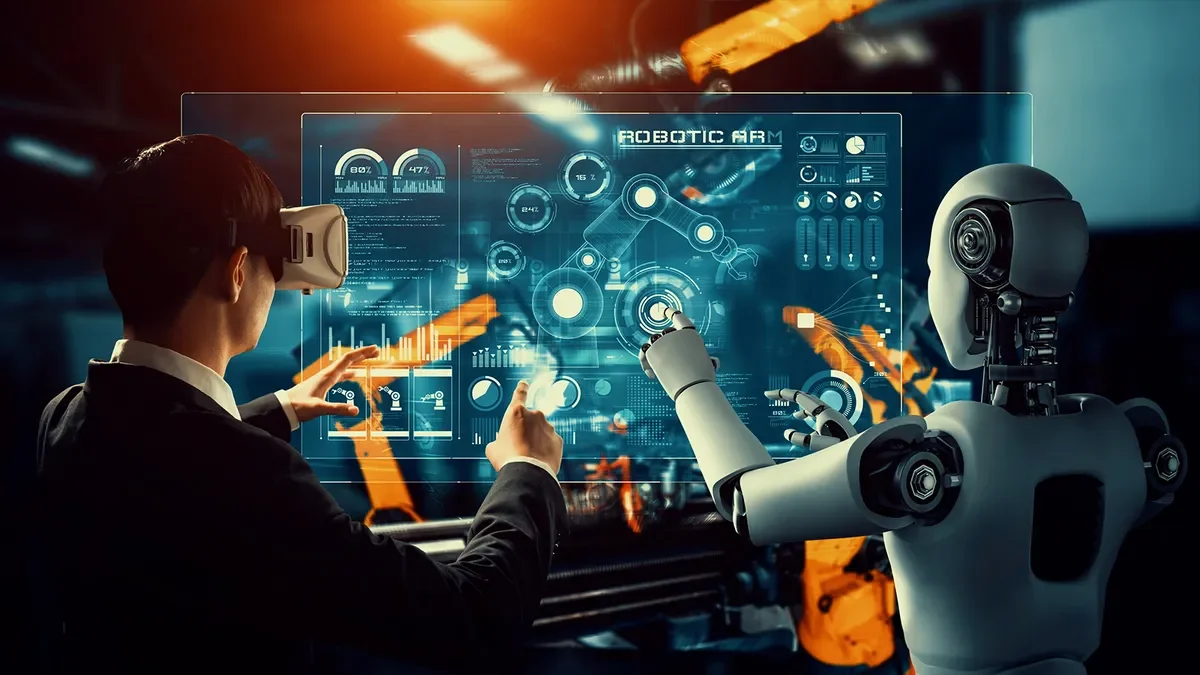
Robotics is no longer a concept limited to science fiction—it is rapidly becoming a core part of modern life. From manufacturing floors to healthcare and even our homes, robots are transforming how we live and work.
Robotics is a field that combines engineering, computer science, and artificial intelligence to design, build, and operate robots. These machines are capable of performing tasks automatically or semi-automatically, often with high precision and efficiency.
As industries evolve, the demand for speed, accuracy, and scalability has increased. Robotics helps meet these demands by:
Robots are widely used in manufacturing for tasks like assembly, welding, and packaging. They work tirelessly and with consistent precision.
Robotic systems assist in surgeries, rehabilitation, and patient care, improving outcomes and reducing risks.
From hotel assistants to cleaning robots, service robotics is growing rapidly in everyday environments.
Self-driving cars and drones rely heavily on robotics and AI to navigate and make decisions in real time.
Despite its advantages, robotics also faces challenges such as:
The future of robotics is incredibly exciting. With advancements in AI, machine learning, and sensor technologies, robots are becoming smarter and more adaptive. We are moving toward a world of collaborative robots (cobots) that work alongside humans, enhancing productivity rather than replacing it.
Robotics is revolutionizing industries and redefining possibilities. As technology continues to advance, robots will play an even bigger role in shaping the future—making our lives easier, safer, and more efficient.